
The idea for this project came
out of an unusual creative challenge:
how can we build an effects pedal
where no two units will ever
sound the same?
A continuously morphing effects
engine that reshapes itself around
each player’s musical palette –
producing radically different results
based on the sounds you feed into it,
rather than imposing a fixed,
pre-designed algorithm.

A deceptively simple combination
of two ideas – Recording & Vocoding –
resulting in a fully interactive, input-dependent effects pedal with
a fluid sonic identity.
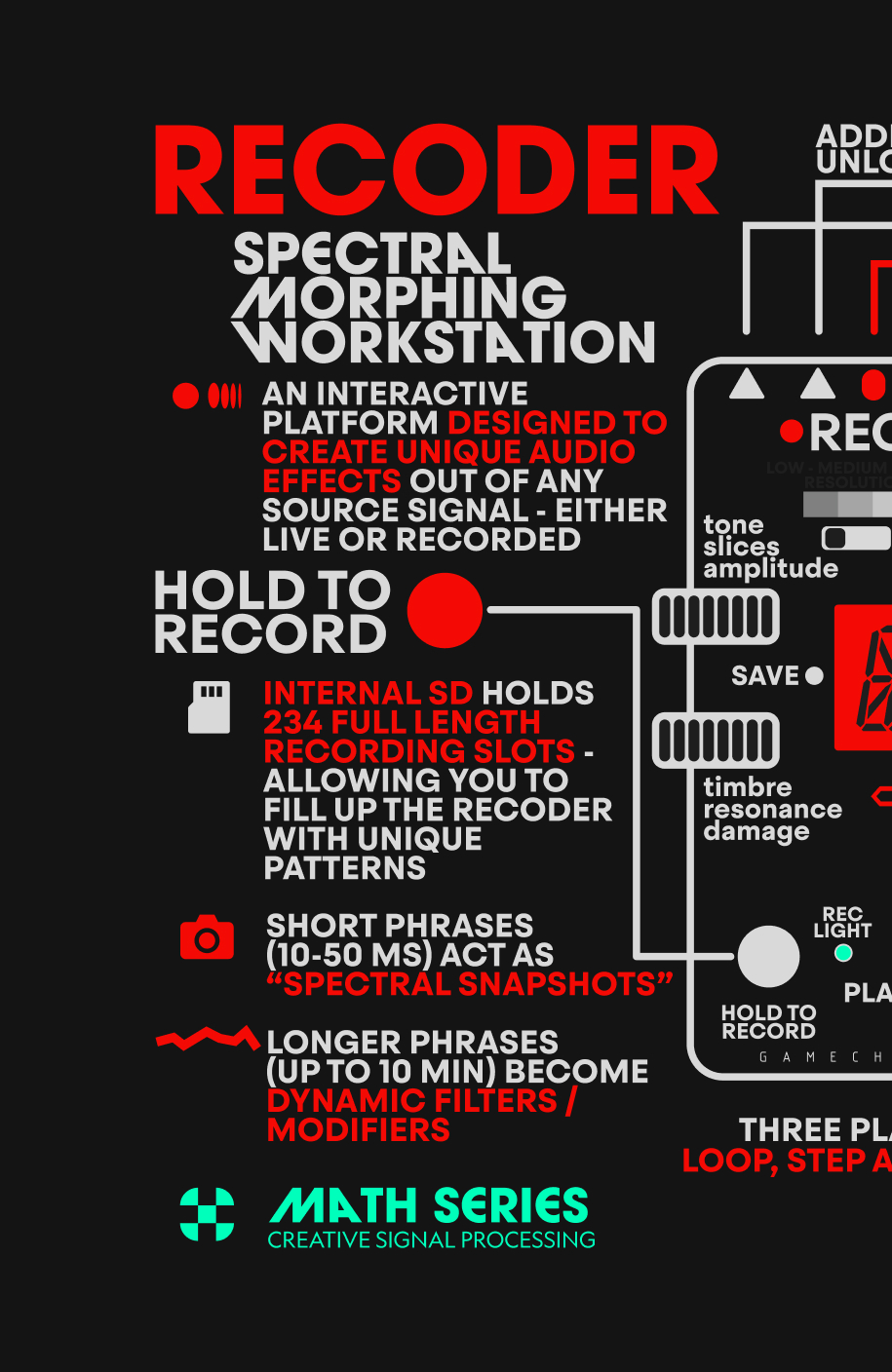
A Spectral Morphing Workstation
that lets you record any musical phrase
or audio signal into its internal memory, and turn it into an entirely new,
original sound-processing engine.
When you record a phrase, RECODER
does not play it back like a looper.
Instead – it performs a detailed spectral
analysis of the captured signal –
extracting its sonic DNA with extraordinary
precision, and transforms it
into a dynamic audio processing
template which is applied directly
onto your live playing in real-time.
The result is a continuous conversation
between two signals – where every
new note you play pushes the character
of the interaction, and pulls the effect
in new and unexpected directions.
You can think of the RECODER as:
a signal cross-pollinator,
a dynamic filter,
a moving audio prism,
a ghostly vocoder,
a formant resonator,
a granular echo creator, or even
a sound-imprint machine…
…but the truth is that even we don’t know how your RECODER is going to sound, because this pedal is only complete when you fill it up with your own musical ideas…
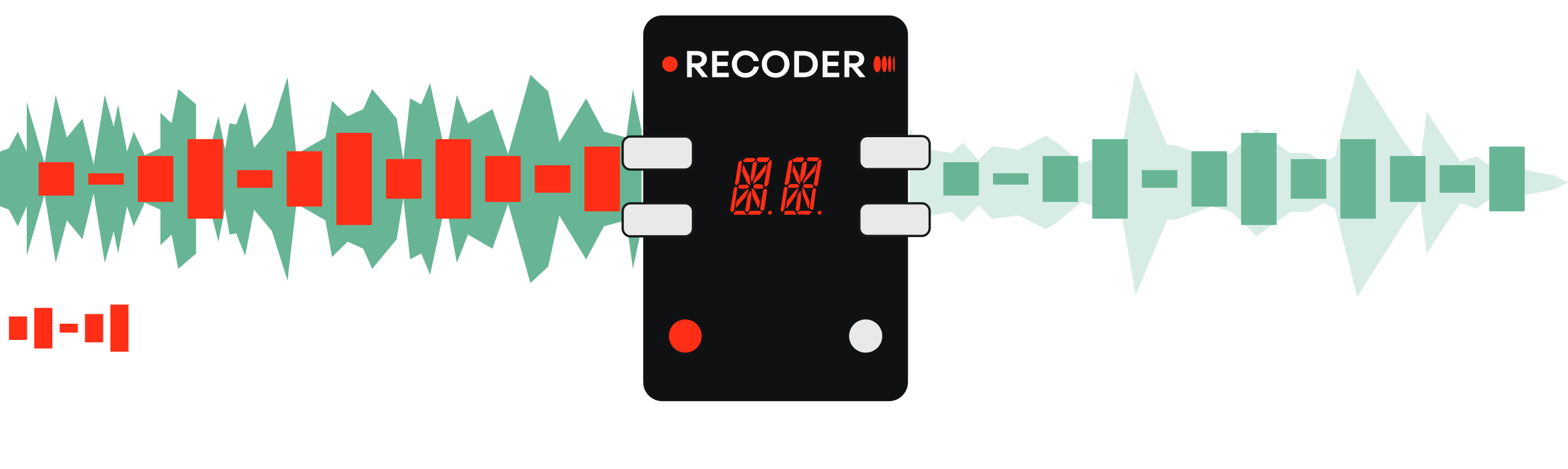
The RECODER operates through the interplay between two signals: the Live Input from your instrument (INPUT), and a secondary MODULATOR signal – which can be any recorded PHRASE or a live
MODULATOR input (REC INPUT).
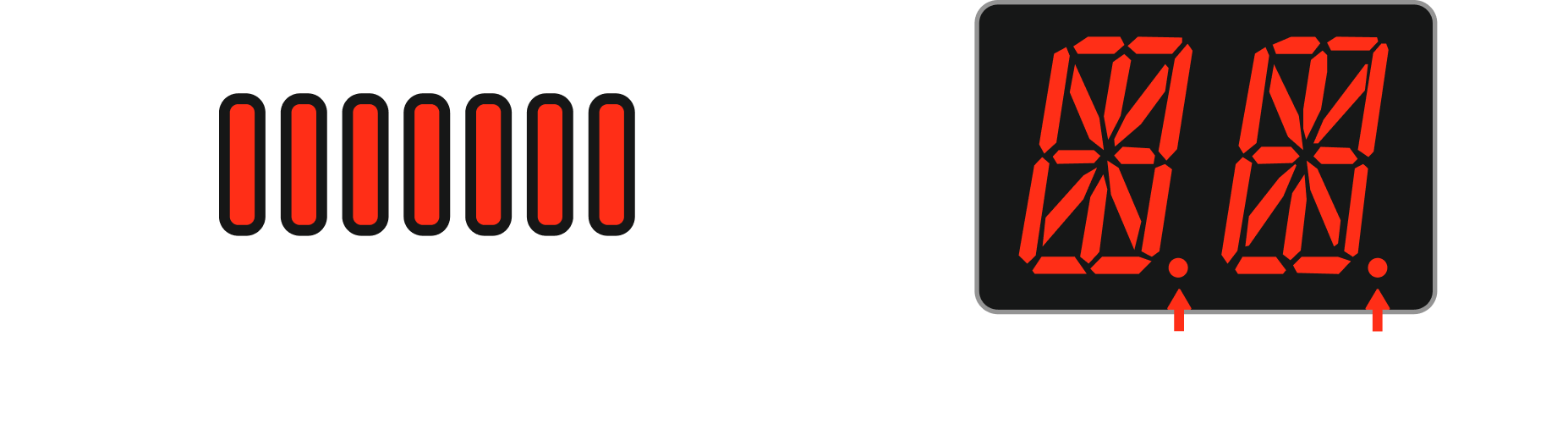
Internally, RECODER runs a real-time high-resolution Fast Fourier Transform (FFT) spectral analysis engine – measuring the energy distribution of both signals across
1024 isolated frequency bands.
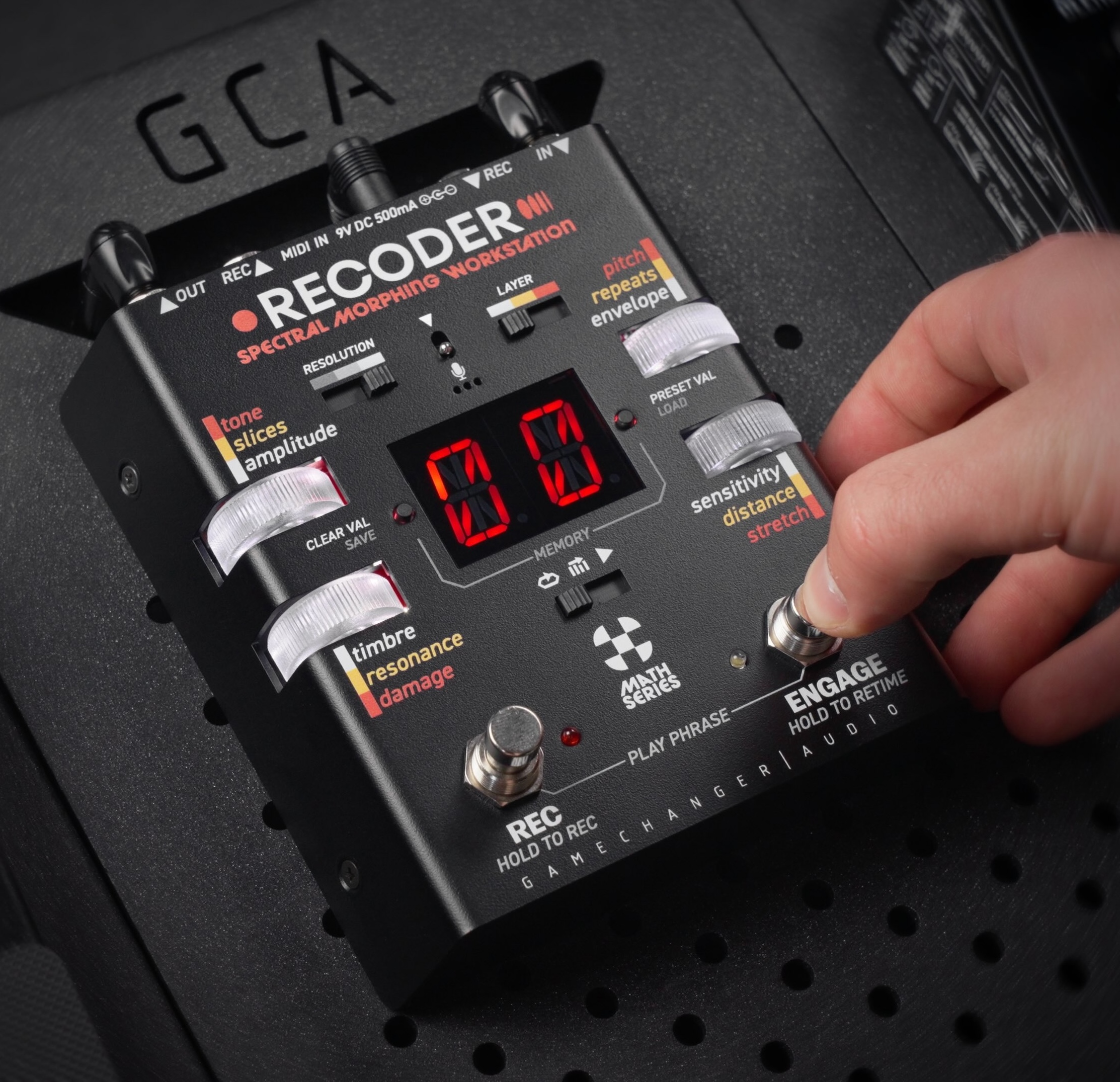
The RESOLUTION control adjusts how often these “spectral snapshots”are refreshed – from rapid 5ms intervals to slower,
stepped windows (40ms, 80ms).
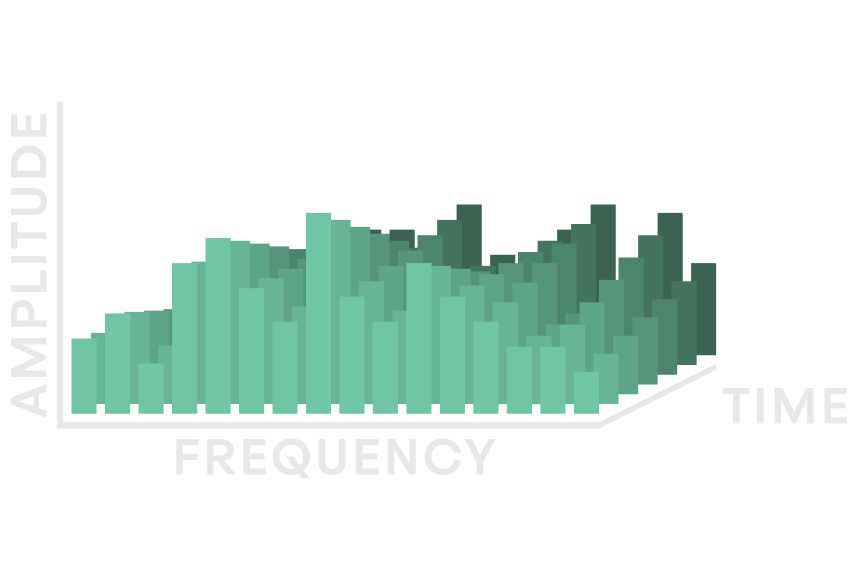
Once the spectral profiles of both signals are measured, the RECODER can apply precise, band-specific adjustments to the INPUT — performing surgical moves on every frequency band, and structuring the interaction between the two signals on a molecular level:
Transferring TIMBRE between signals, shaping the AMPLITUDE of one with the other, making your INPUT mimic the MODULATOR’s sound and respond to its every movement — and extracting SLICES, GRAINS, and RESONANCES from the overlapping spectral content, then pushing them through time as melodic feedbacks, reverbs, delays, and
harmonic blooms.


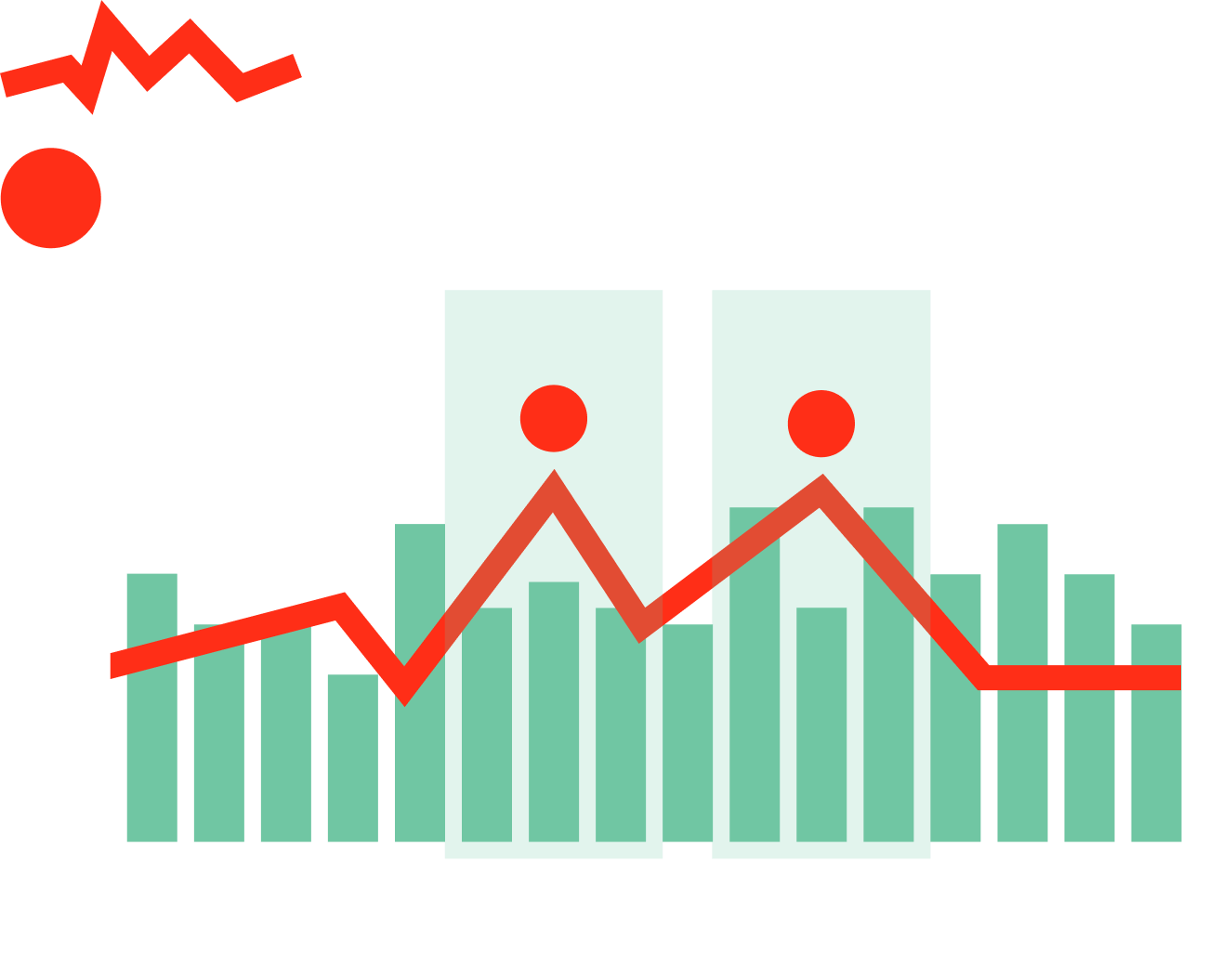
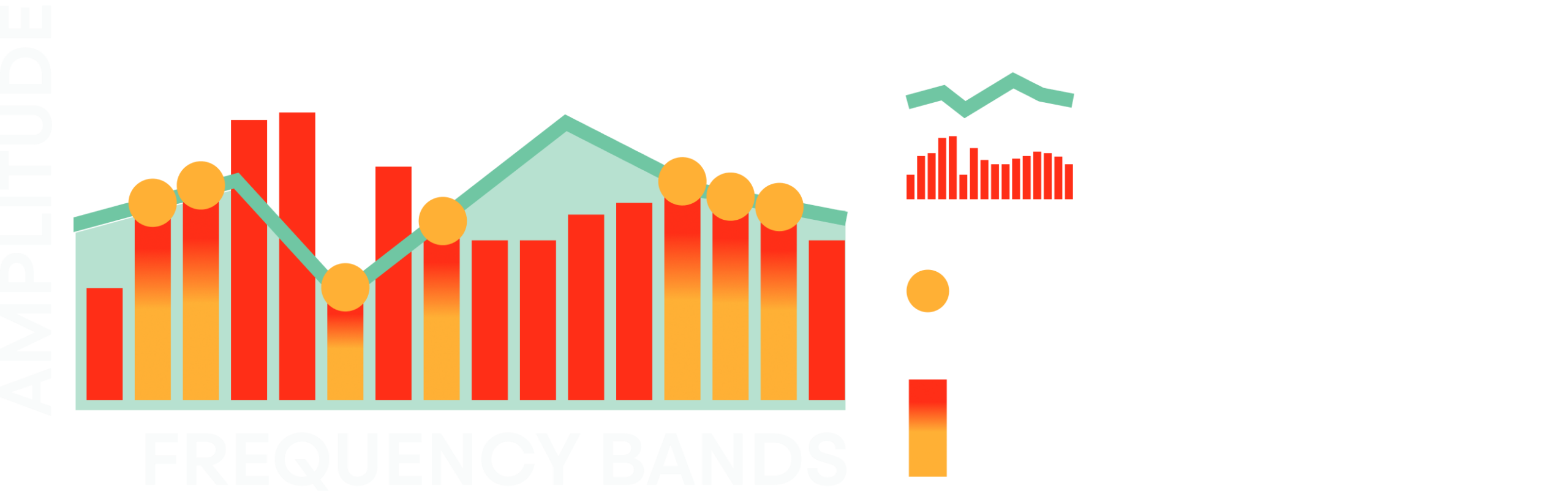
SHAPE INPUT VOLUME FROM MODULATOR: RECODER tracks the MODULATOR’s main amplitude peaks in real-time and applies them to the INPUT, creating frequency-specific boost and cut zones.
You can use a recorded PHRASE or a secondary live REC INPUT as the MODULATOR!
Side-Chained Boost:
Boosts frequencies where MODULATOR signal is strongest. At maximum AMPLITUDE values, the dominant bands are boosted past breakup – creating a moving overdrive zone.
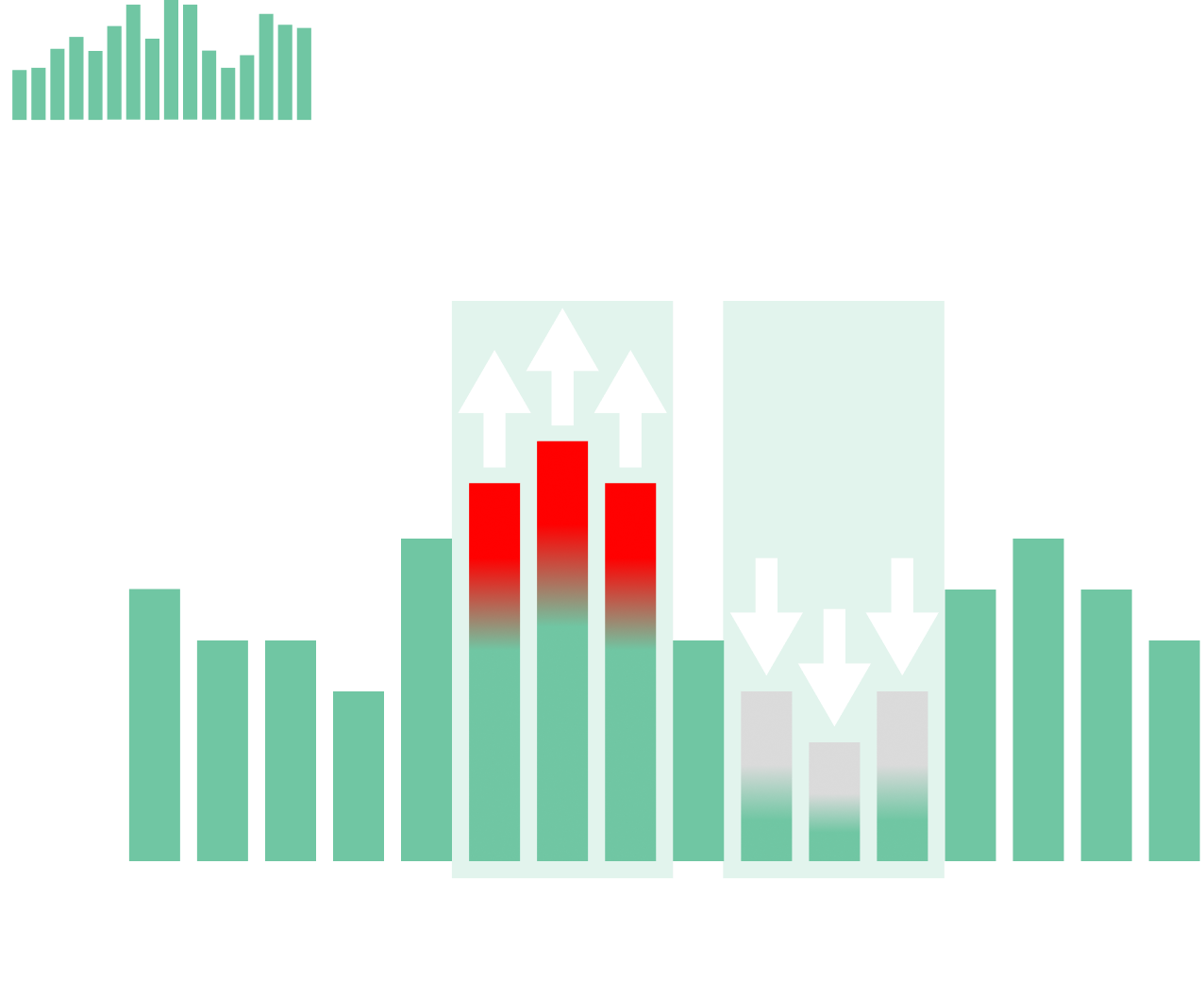
Side-Chained Cut:
Dips the frequency bands where the MODULATOR’s signal is strongest – producing a moving band cut
or a variety of custom-shaped tremolo effects.
FFT VOCODER EFFECT:
FFT analysis tracks the energy distribution of both INPUT & MODULATOR in real-time: The INPUT is then rebalanced across the full frequency spectrum to mirror and mimic the MODULATOR’s tonal profile. Inactive or silent MODULATOR bands do not produce dips in the INPUT signal.
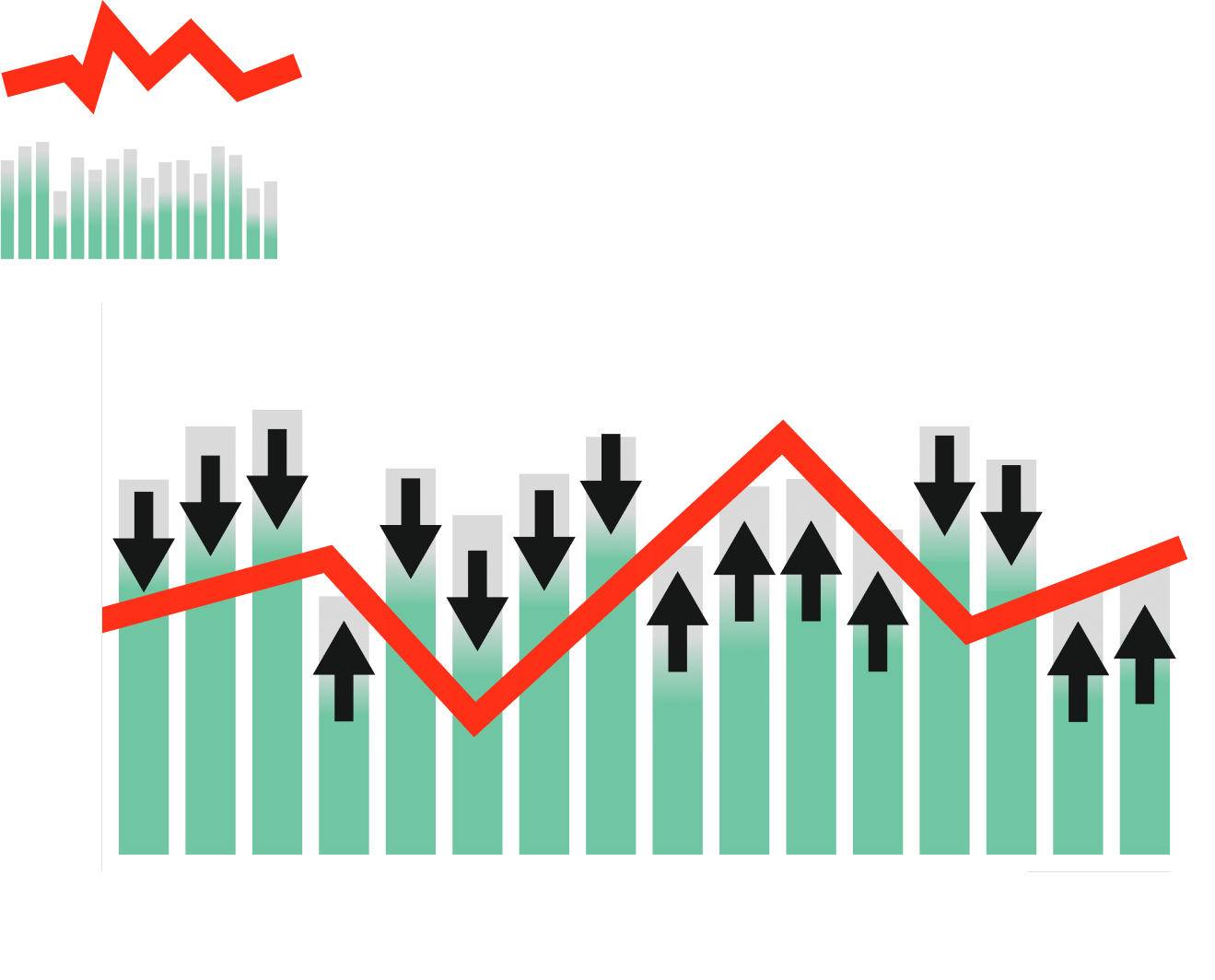
This is called TIMBRE TRANSFER and you can think of it as a vocoder, operating at a significantly higher 1024-band FFT resolution.
Just like with a vocoder, TIMBRE Transfer allows you to alter the INPUT tone, while keeping your playing in tune!
Inactive or silent MODULATOR bands
do not produce dips in the INPUT signal.

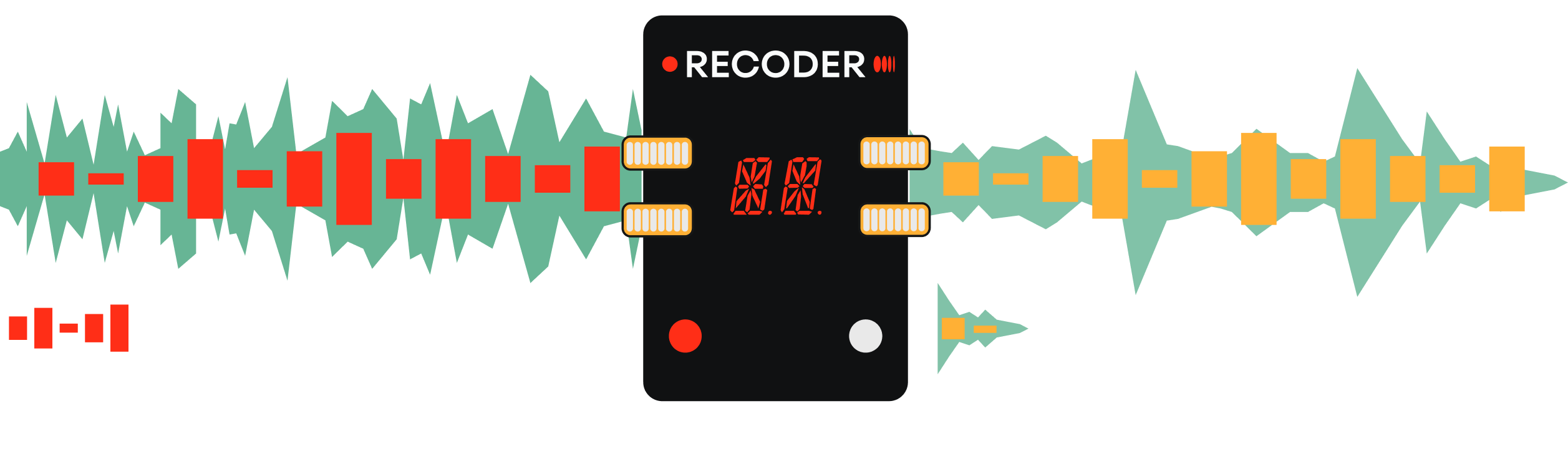
Extracts small audio fragments from the MODULATOR – triggered by matching or overlapping frequencies in the INPUT.
The amount & behaviour of the SLICES will always depend on each unique signal combination; SLICES always stay in tune with the INPUT signal!
Generates artificial sine-wave components from the strongest overlapping frequency peaks between INPUT & MODULATOR,
and sends them into a feedback network – creating responsive, melodic resonances that evolve with your playing.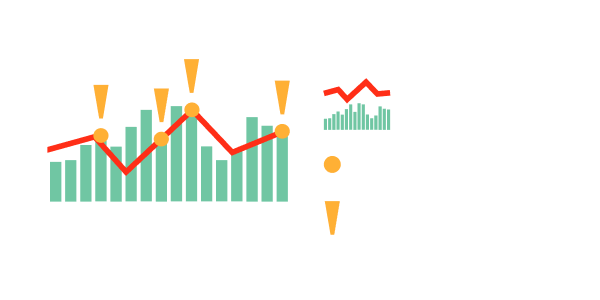
Turn the knob to the left to create NEGATIVE RESONANCES: this produces a beautiful inverted harmony!
A flexible TIME & REGENERATION engine that processes both YELLOW Layer signals SLICES & RESONANCES simultaneously.
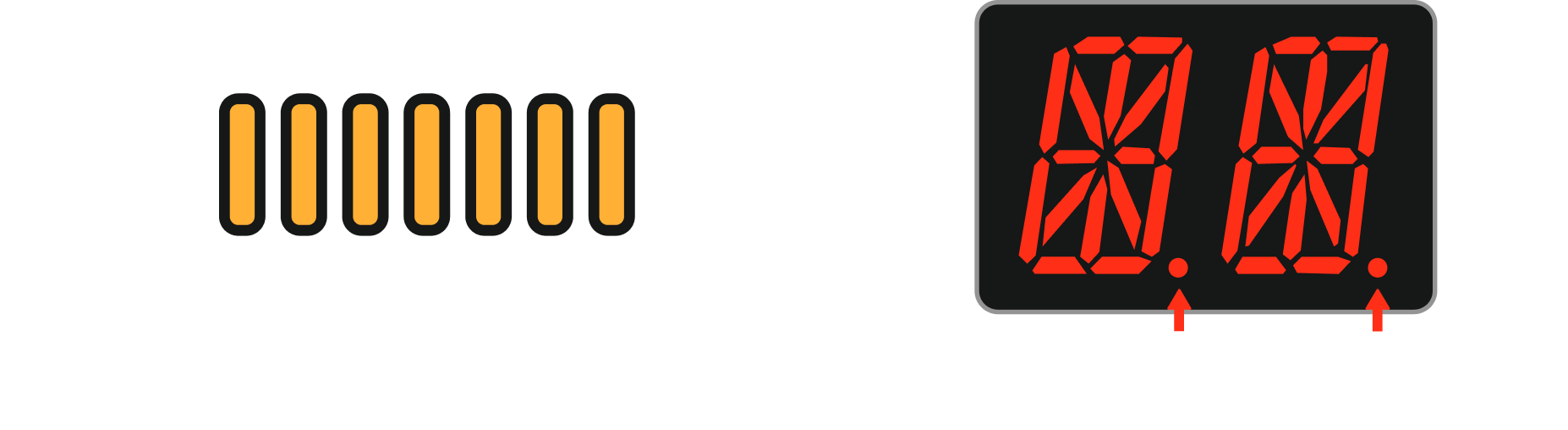
REPEATS: controls the direction and amount of regeneration;
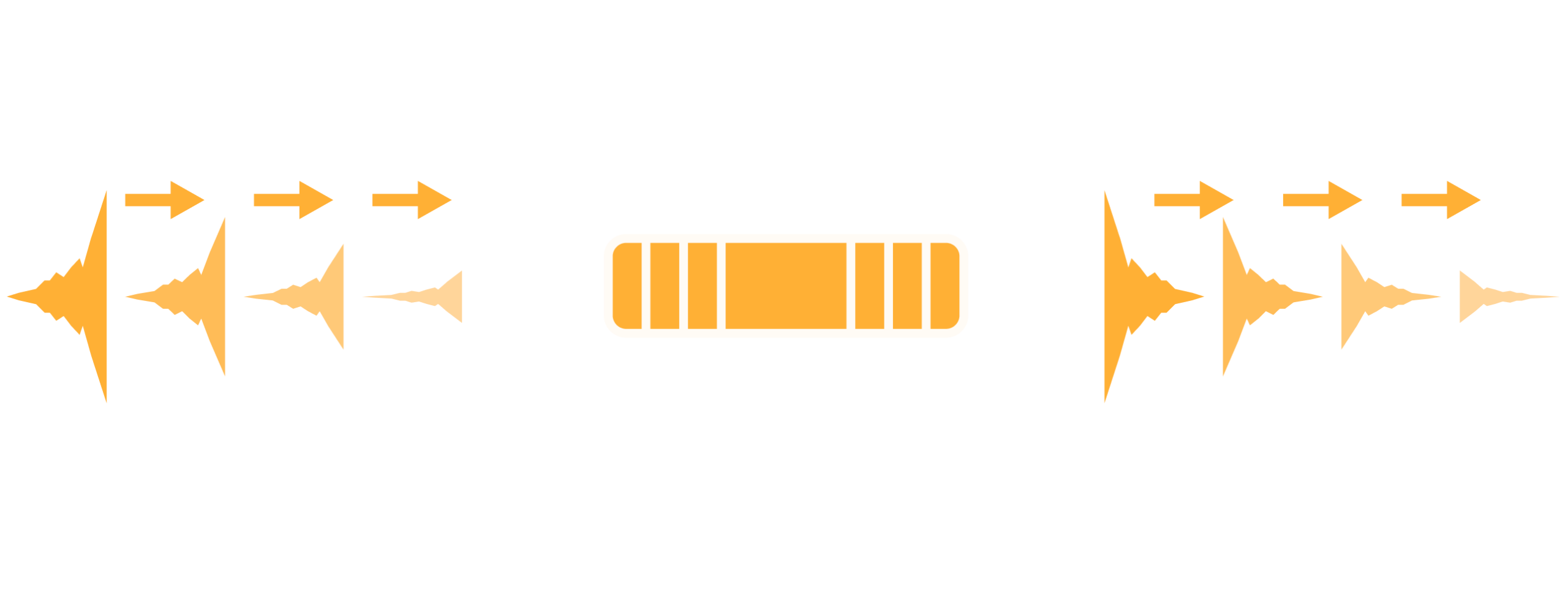
DISTANCE: controls the spacing or diffusion density between REPEATS.
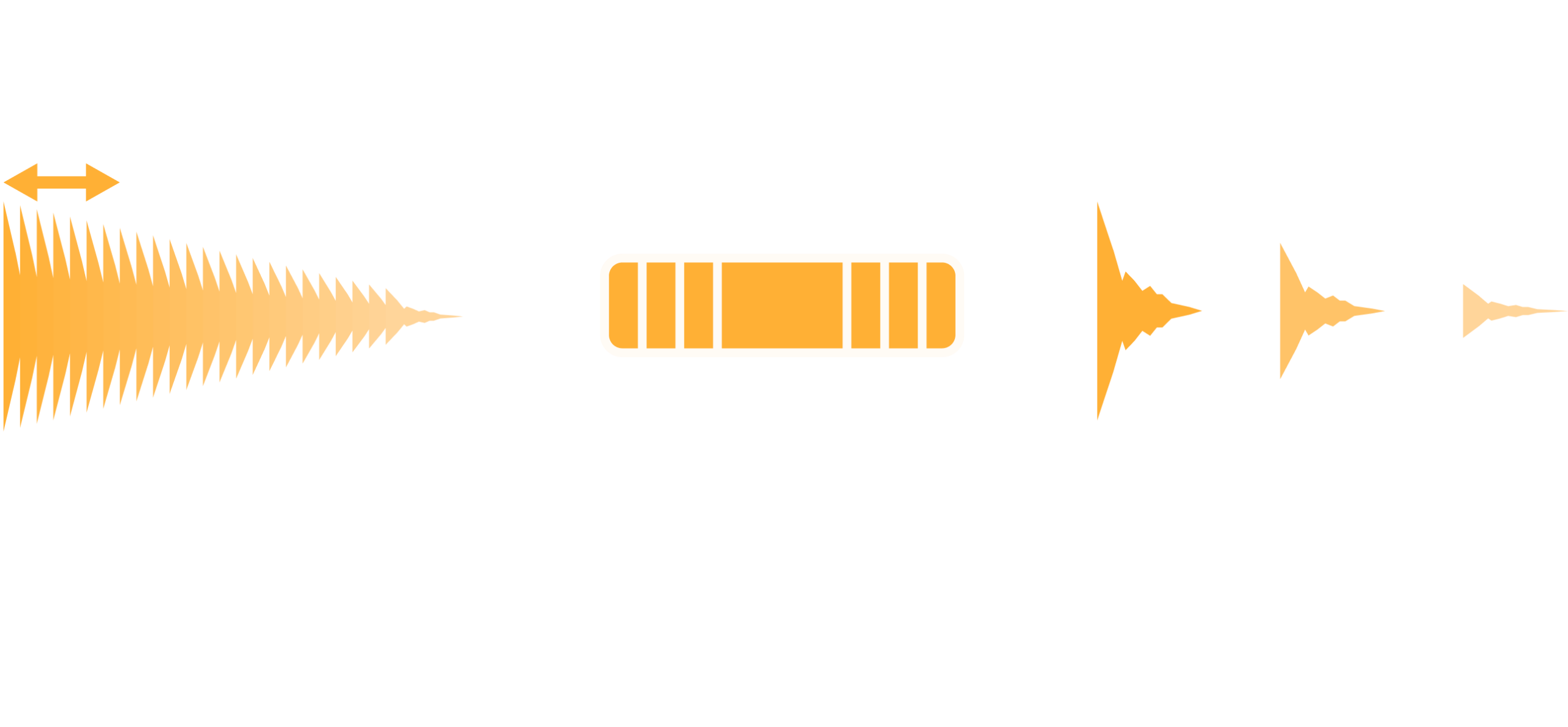
Together these controls allow you to create four distinct regeneration effects: Delay, Reverse Delay, Reverb & Feedback.

RESHAPING THE MODULATOR
The Red Layer lets you radically reshape
the personality and texture of
the MODULATOR, thus affecting all
further interactions downstream.
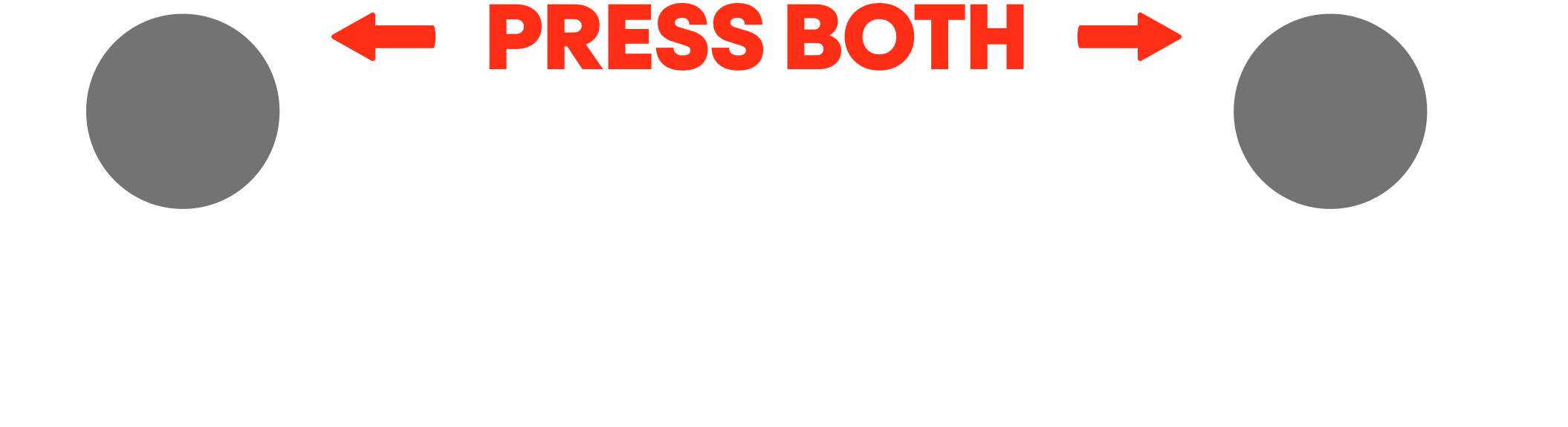
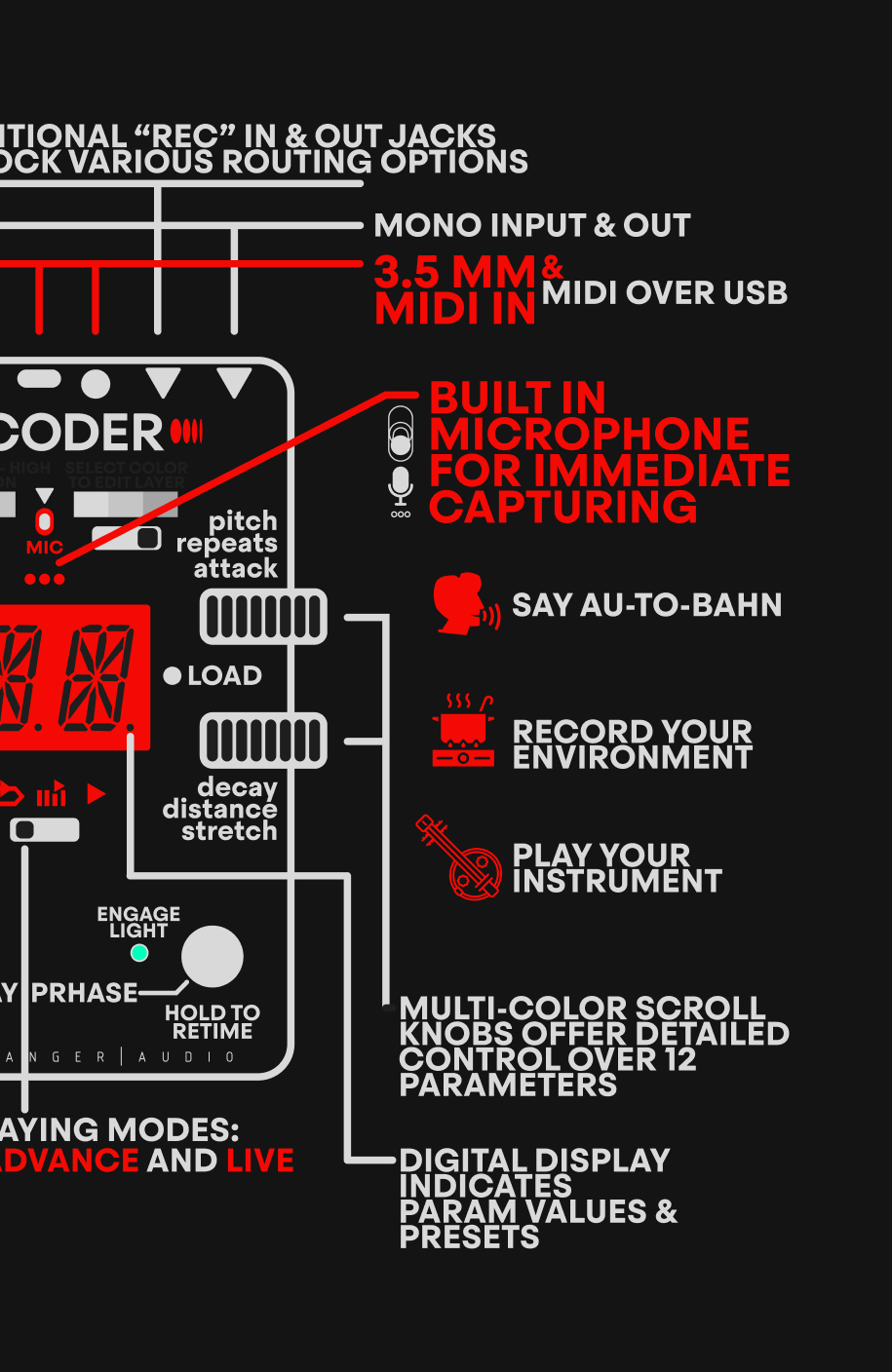
In LOOP or STEP ADVANCE mode – press both footswitches simultaneously to audition the MODULATOR with all RED LAYER adjustments via MAIN OUTPUT.
The RECODER offers three distinctive behavior modes – each offering a new way to interact with the MODULATOR:

LOOP Mode — Circular Playb
ck The default mode, and the one that inspired the RECODER concept in the first place.
The MODULATOR spins continuously inside the engine — a closed loop, playhead always advancing — driving every transformation in real time.

STEP Mode – Dynamic Playhead
RECODER analyzes the recorded phrase and splits it into segments based on transients and pitch changes — like tiny “phrase markers” or event points.
The playhead only advances when you trigger it with your playing.
Each time you strike a note or hit a transient — the engine jumps to the next slice, segment, or pitch zone in the recorded phrase.
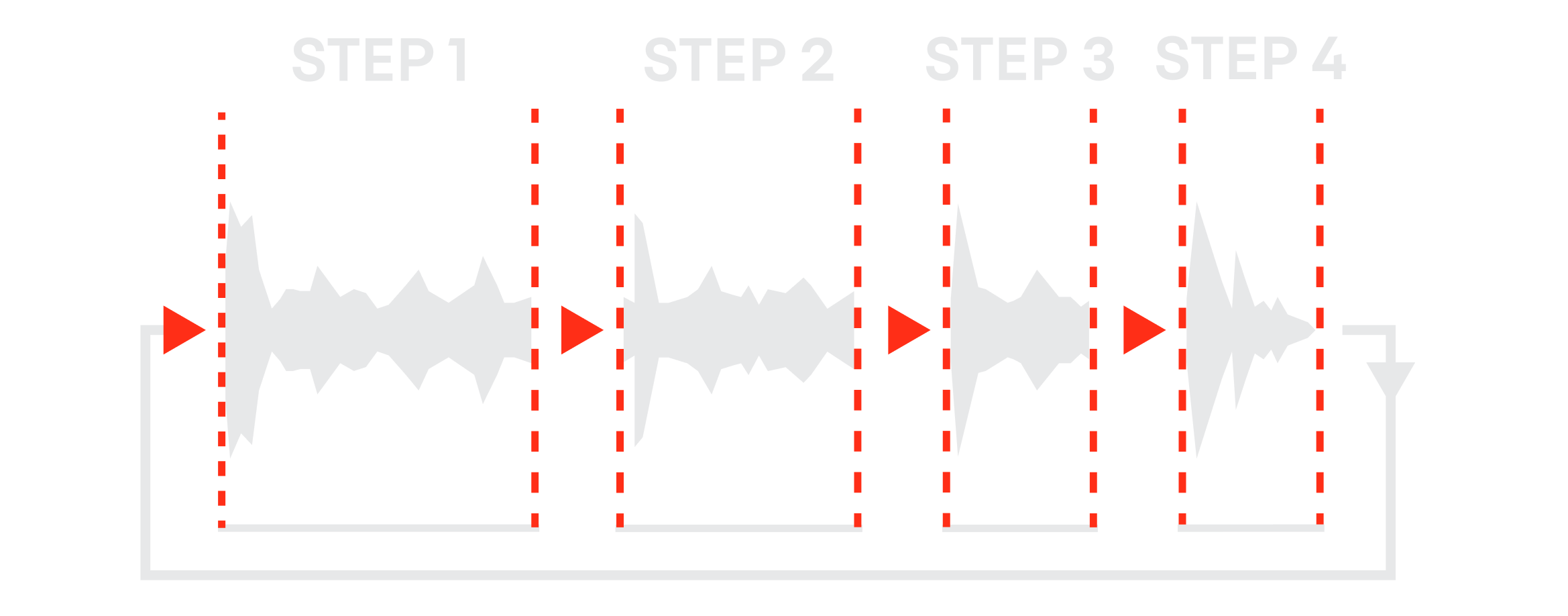
This is the ideal mode for breaking out of a set rhythmical pattern!
* Advance Sensitivity & Threshold can be adjusted in Global Settings.

LIVE Mode – Real-time SPECTRAL MORPHING
Instead of relying on saved phrases as the signal source — the RECODER uses your live input as the spectral donor – essentially becoming a real-time spectral resynthesis and cross-morphing machine.



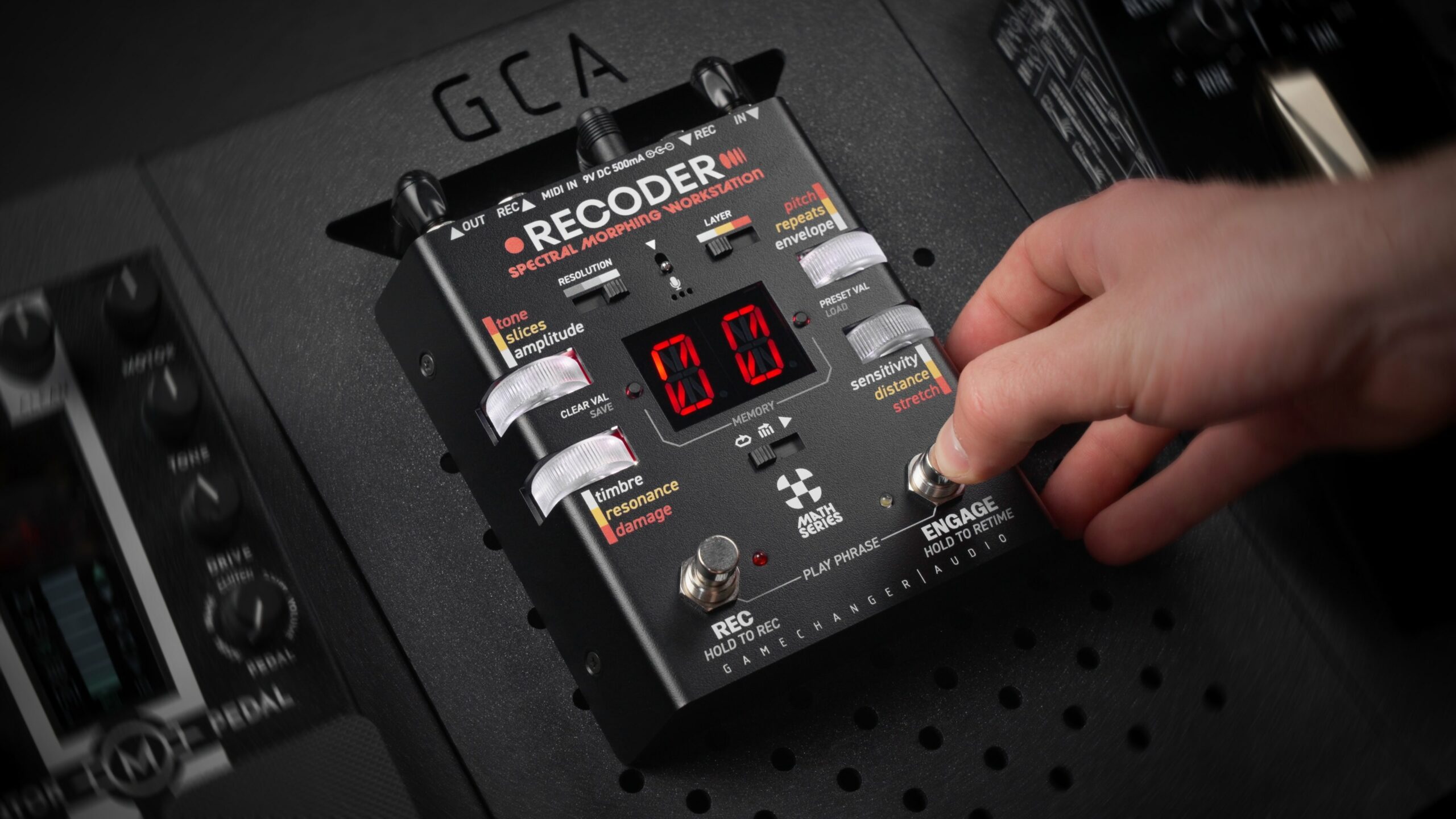
The idea for this project came out of an unusual creative challenge:
how can we build an effects pedal where no two units
will ever sound the same?
A continuously morphing effects engine that reshapes itself around
each player’s musical palette – producing radically different results
based on the sounds you feed into it, rather than imposing a fixed,
pre-designed algorithm.

A deceptively simple combination of two ideas – Recording & Vocoding –
resulting in a fully interactive, input-dependent effects pedal with
a fluid sonic identity.
A Spectral Morphing Workstation that lets you record any musical phrase
or audio signal into its internal memory, and turn it into an entirely new,
original sound-processing engine.
When you record a phrase, RECODER does not play it back like a looper.
Instead – it performs a detailed spectral analysis of the captured signal –
extracting its sonic DNA with extraordinary precision, and transforms it
into a dynamic audio processing template which is applied directly
onto your live playing in real-time.
The result is a continuous conversation between two signals –
where every new note you play pushes the character of the interaction,
and pulls the effect in new and unexpected directions.
You can think of the RECODER as:
a signal cross-pollinator,
a dynamic filter,
a moving audio prism,
a ghostly vocoder,
a formant resonator,
a granular echo creator, or even
a sound-imprint machine…
…but the truth is that even we don’t know
how your RECODER is going to sound, because
this pedal is only complete
when you fill it up with your own musical ideas…
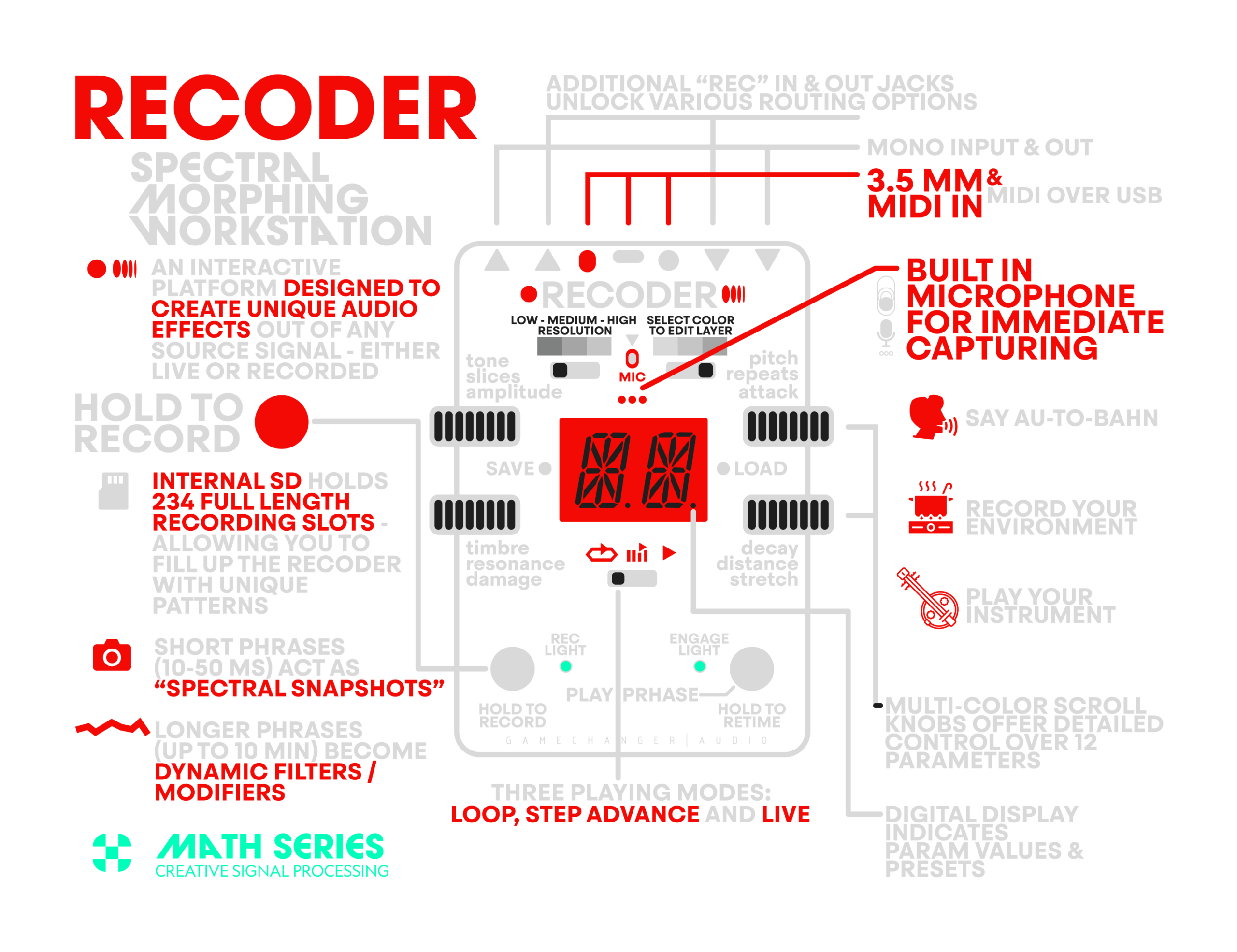
The RECODER operates through the interplay between two signals: the Live Input from your instrument (INPUT), and a secondary MODULATOR signal – which can be any recorded PHRASE or a live MODULATOR input (REC INPUT).
Internally, RECODER runs a real-time high-resolution Fast Fourier Transform (FFT) spectral analysis engine – measuring the energy distribution of both signals across 1024 isolated frequency bands.
The RESOLUTION control adjusts how often these “spectral snapshots” are refreshed –
from rapid 5ms intervals to slower, stepped windows (40ms, 80ms).
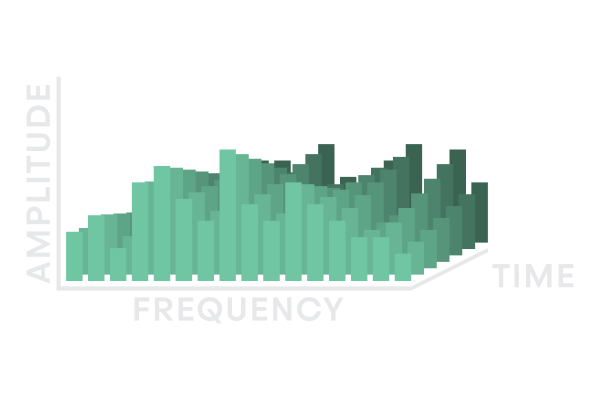
Once the spectral profiles of both signals are measured, the RECODER can apply precise, band-specific adjustments to the INPUT — performing surgical moves on every frequency band, and structuring the interaction between the two signals on a molecular level:
Transferring TIMBRE between signals, shaping the AMPLITUDE of one with the other, making your INPUT mimic the MODULATOR’s sound and respond to its every movement — and extracting SLICES, GRAINS, and RESONANCES from the overlapping spectral content, then pushing them through time as melodic feedbacks, reverbs, delays, and harmonic blooms.

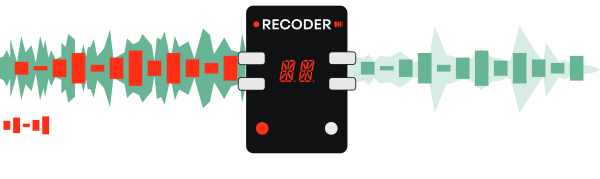
READ THE MANUAL:
SHAPE INPUT VOLUME FROM MODULATOR:
RECODER tracks the MODULATOR’s main amplitude peaks
in real-time and applies them to the INPUT,
creating frequency-specific boost and cut zones.
You can use a recorded PHRASE or
a secondary live REC INPUT as the MODULATOR!
Side-Chained Boost:
Boosts frequencies where MODULATOR signal is strongest.
At maximum AMPLITUDE values, the dominant bands are
boosted past breakup – creating a moving overdrive zone.
Side-Chained Cut:
Dips the frequency bands where the MODULATOR’s signal is
strongest – producing a moving band cut
or a variety of
custom-shaped tremolo effects.
FFT VOCODER EFFECT:
FFT analysis tracks the energy distribution of both
INPUT & MODULATOR in real-time: The INPUT is then
rebalanced across the full frequency spectrum
to mirror and mimic the MODULATOR’s tonal profile.
Inactive or silent MODULATOR bands do not
produce dips in the INPUT signal.
This is called TIMBRE TRANSFER and you can
think of it as a vocoder, operating at a significantly
higher 1024-band FFT resolution.
Just like with a vocoder, TIMBRE Transfer allows you to
alter the INPUT tone, while keeping your playing in tune!
Inactive or silent MODULATOR bands
do not
produce dips in the INPUT signal.
READ THE MANUAL:

READ THE MANUAL:
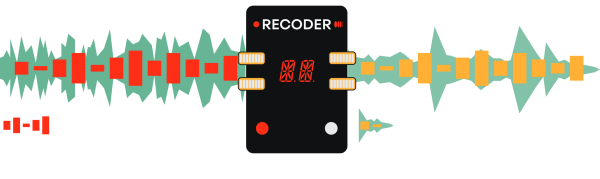
Extracts small audio fragments from the MODULATOR –
triggered by matching or overlapping frequencies in the INPUT.
The amount & behaviour of the SLICES will always
depend on each unique signal combination;
SLICES always stay in tune with the INPUT signal!
Generates artificial sine-wave components from the strongest
overlapping frequency peaks between INPUT & MODULATOR,
and sends them into a feedback network – creating responsive,
melodic resonances that evolve with your playing.Turn the knob to the left to create NEGATIVE RESONANCES:
this produces a beautiful inverted harmony!
A flexible TIME & REGENERATION engine
that processes both YELLOW Layer signals
SLICES & RESONANCES simultaneously.
REPEATS: controls the direction and amount of regeneration;
DISTANCE: controls the spacing or diffusion density between REPEATS.
Together these controls allow you to create
four distinct regeneration effects:
Delay, Reverse Delay, Reverb & Feedback.
READ THE MANUAL:

RESHAPING THE MODULATOR
The Red Layer lets you radically reshape the personality
and texture of the MODULATOR – thus affecting all further
interactions downstream.
In LOOP or STEP ADVANCE mode – press both
footswitches simultaneously to audition the MODULATOR
with all RED LAYER adjustments via the MAIN OUTPUT.

 LOOP Mode – Circular Playback
This is the default mode – the one we’ve focused on in all previous sections,
and the mode that inspired the RECODER idea initially!
In LOOP mode, the recorded phrase is constantly spinning inside the engine — like a circular buffer. The playhead continuously cycles through the phrase, over and over again.

STEP Mode – Dynamic Playhead
RECODER analyzes the recorded phrase and splits it into segments based on transients and pitch changes — like tiny “phrase markers” or event points.
The playhead only advances when you trigger it with your playing.
Each time you strike a note or hit a transient — the engine jumps to the next slice, segment, or pitch zone in the recorded phrase.
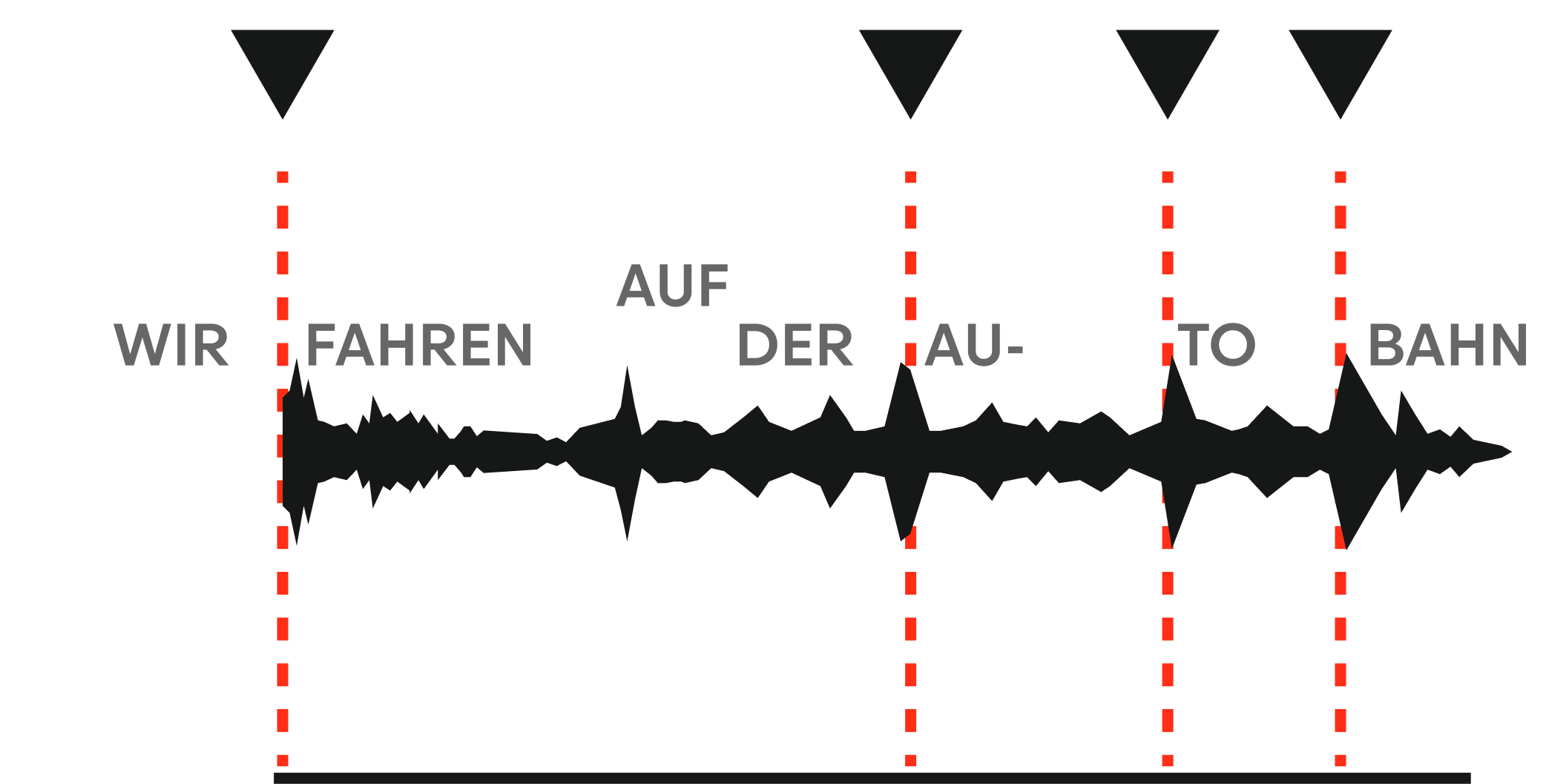
This is the ideal mode for breaking out of a set rhythmical pattern!
* Advance Sensitivity & Threshold can be adjusted in Global Settings.

LIVE Mode – Real-time SPECTRAL MORPHING
Instead of relying on saved phrases as the signal source — the RECODER uses your live input as the spectral donor – essentially becoming a real-time spectral resynthesis and cross-morphing machine.

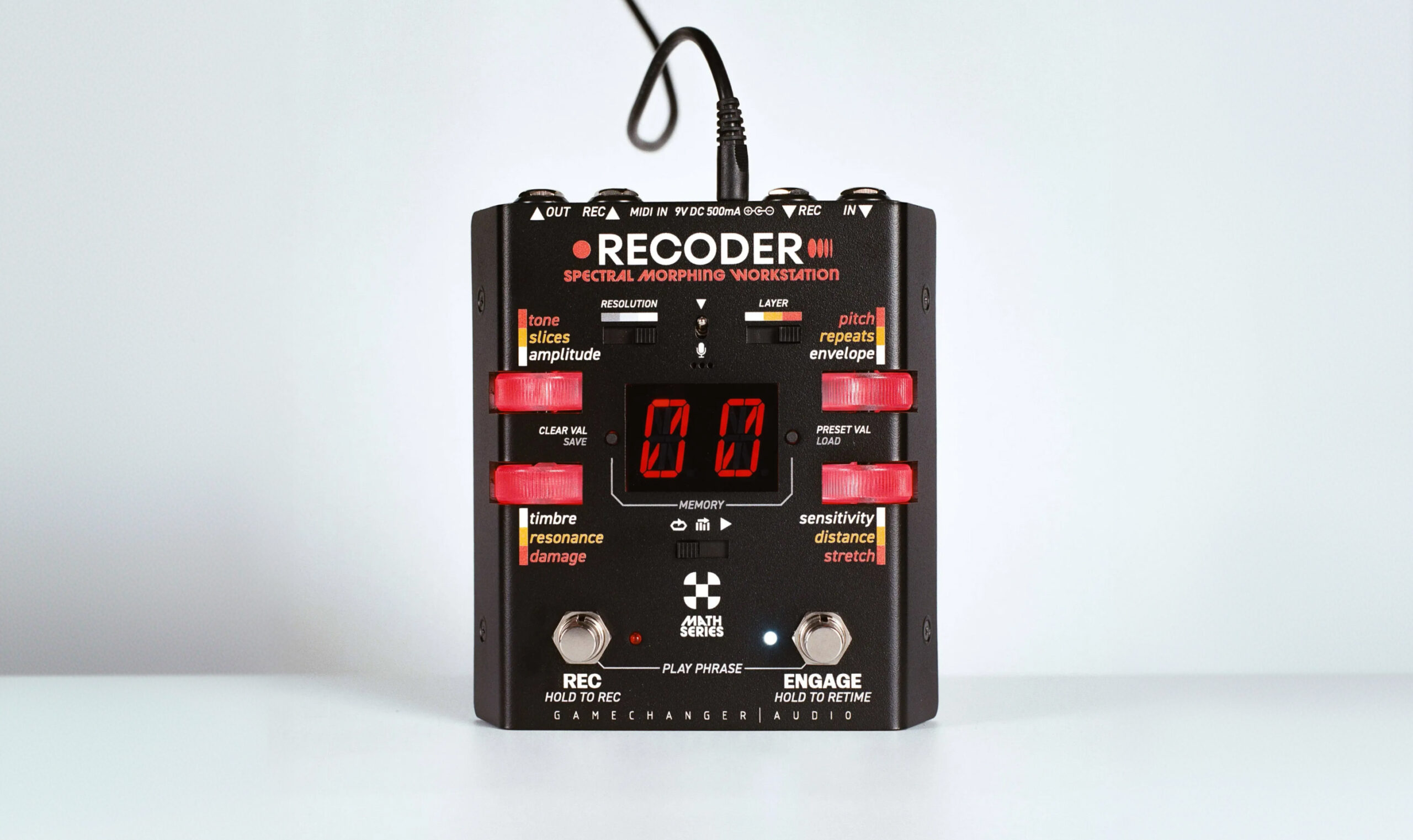

MATH SERIES is our new playground for digital invention — a space where sound isn’t just processed, but interpreted, reshaped, and reborn through code. We call it Creative Signal Processing.
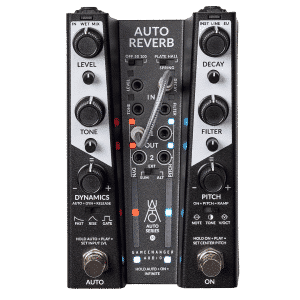
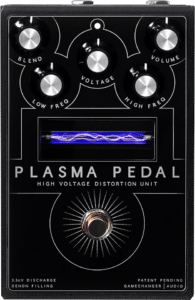
We’re still the PLASMA people. We’re still the MOTOR people. We’re still the team that pulled reverb out of infrared reflections on a metal spring.
That mission continues — always. But we’re also venturing into a parallel universe where we turn audio signal into Xeros & 0nes, and explore the infinite spaces that lie in between.
The RECODER is the very first creature to walk out of that laboratory…