







TIME-LIMITED PREORDER 249$/EUR
UNTIL 15th NOVEMBER, EACH UNIT SIGNED AND NUMBERED BY THE MATH SERIES TEAM
PRE-ORDERS OPEN UNTIL NOVEMBER 23RD.
SHIPPING EXPECTED JANUARY 2027
WATCH THE LAUNCH VIDEO


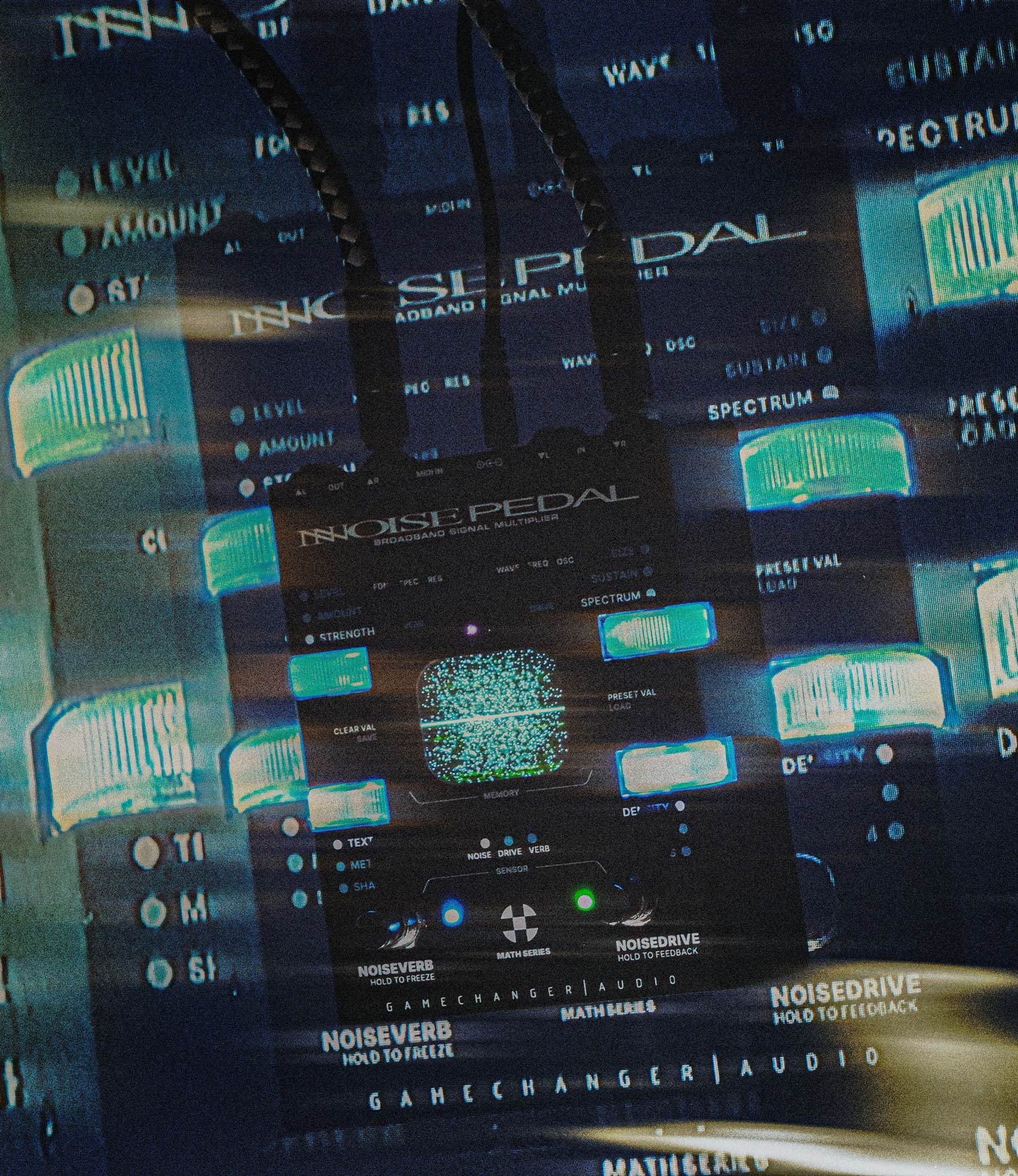

Start with WHITE NOISE, then explore 30 additional NOISE ENGINES – designed to produce a wide variety of broadband signals – from digital glitches, electrical sounds – all the way to organic textures such as wind, thunder and fire.
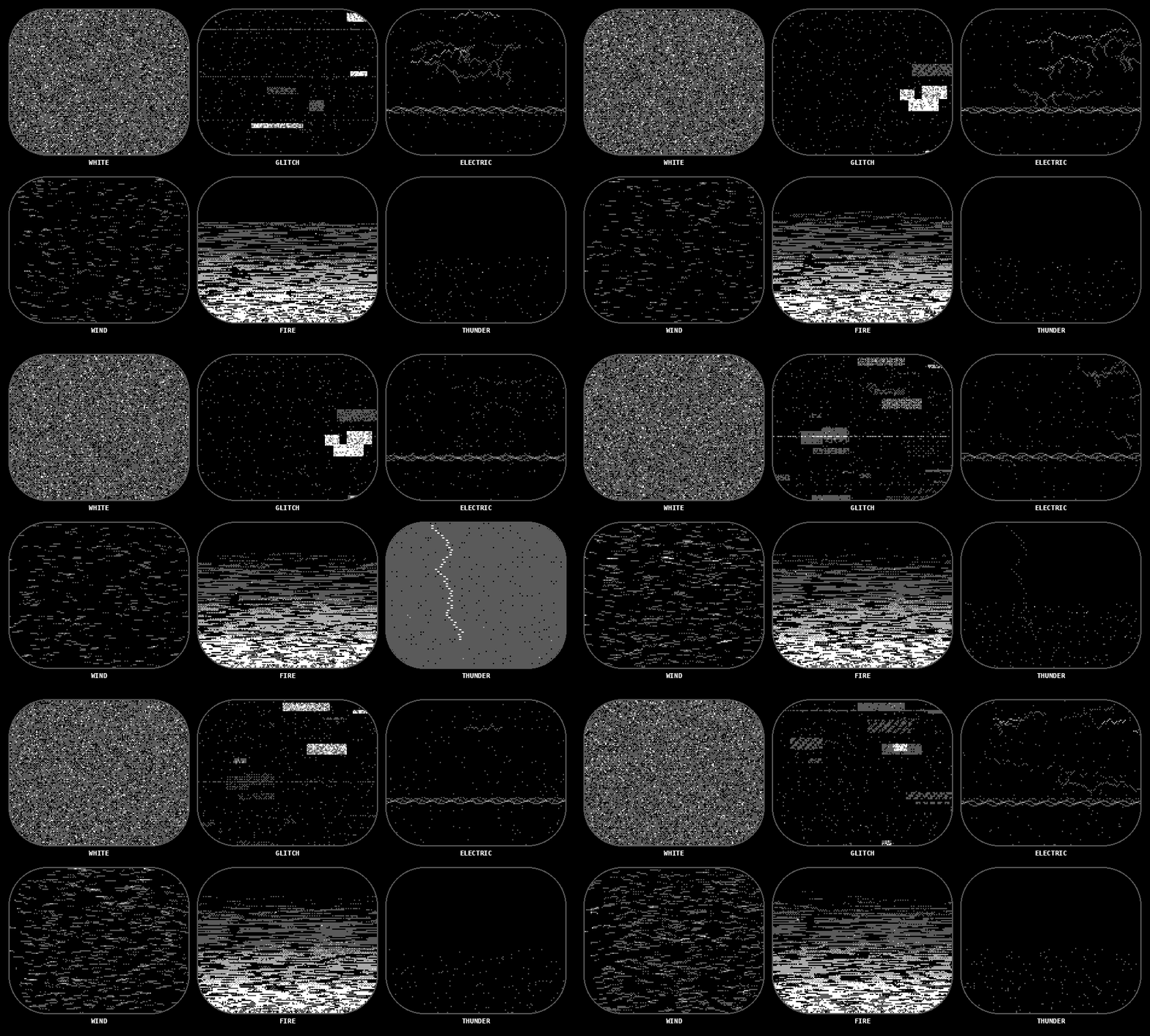
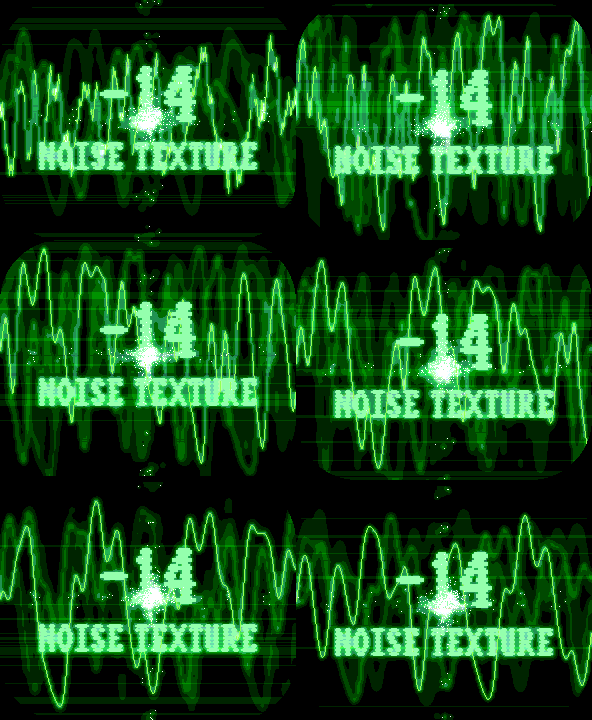
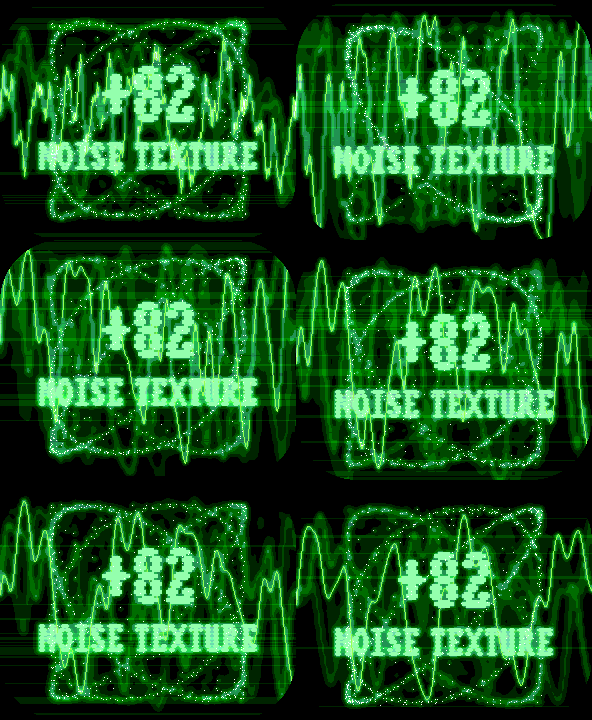

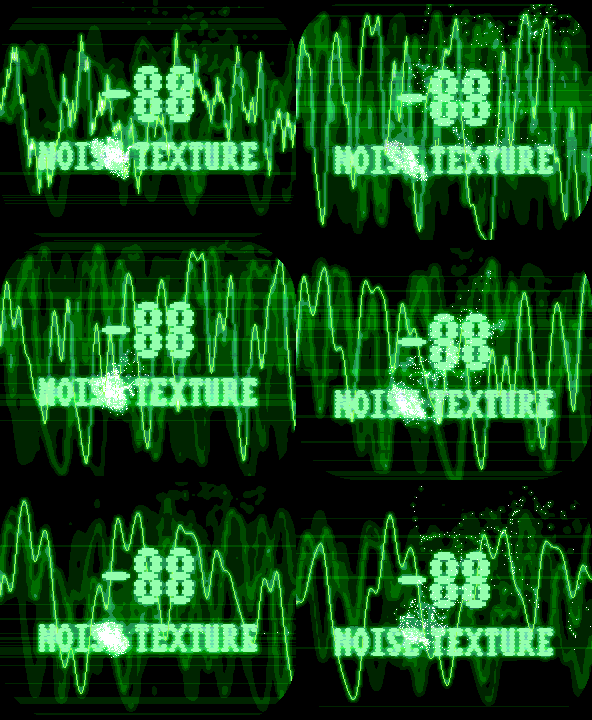
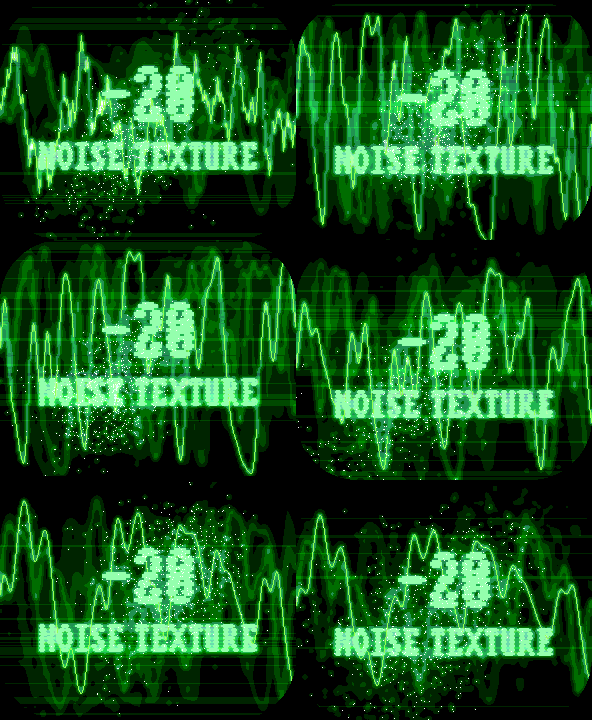
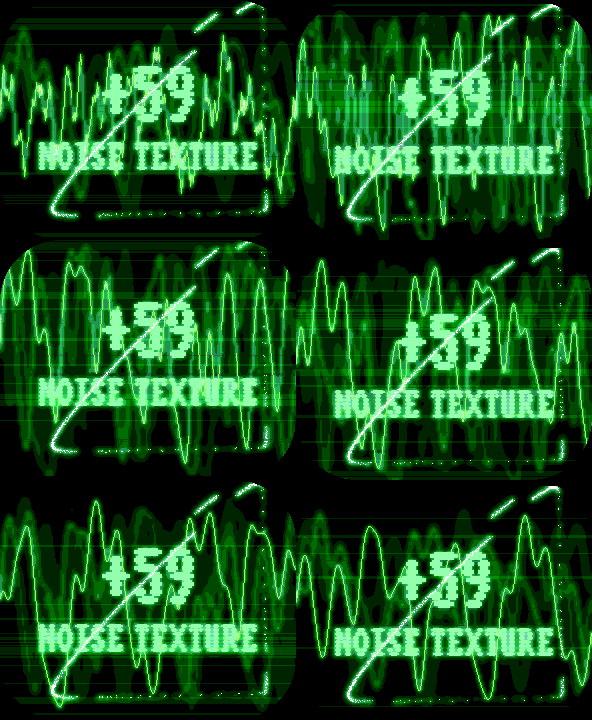
Each engine provides a different foundation for all further signal processing.
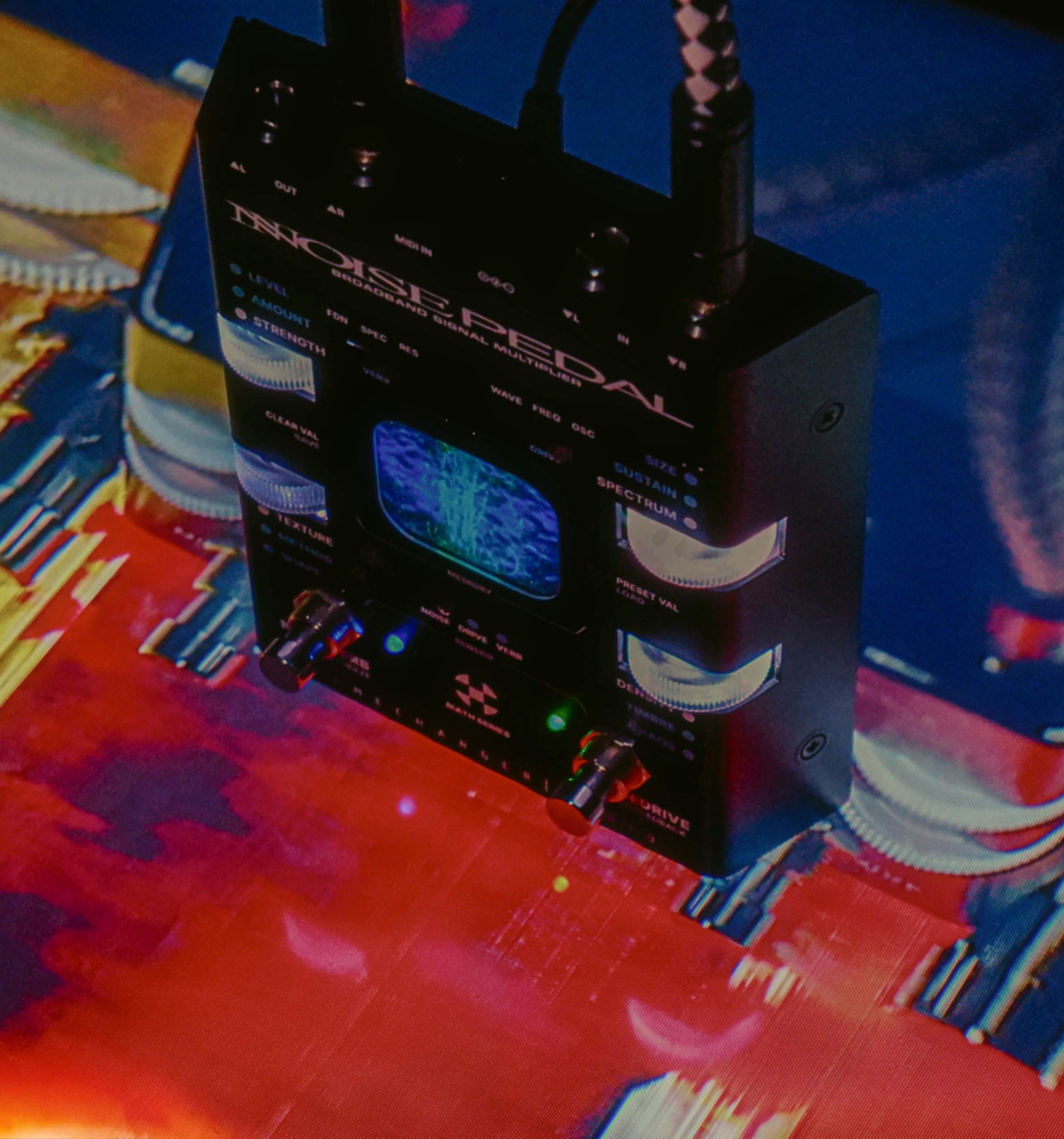
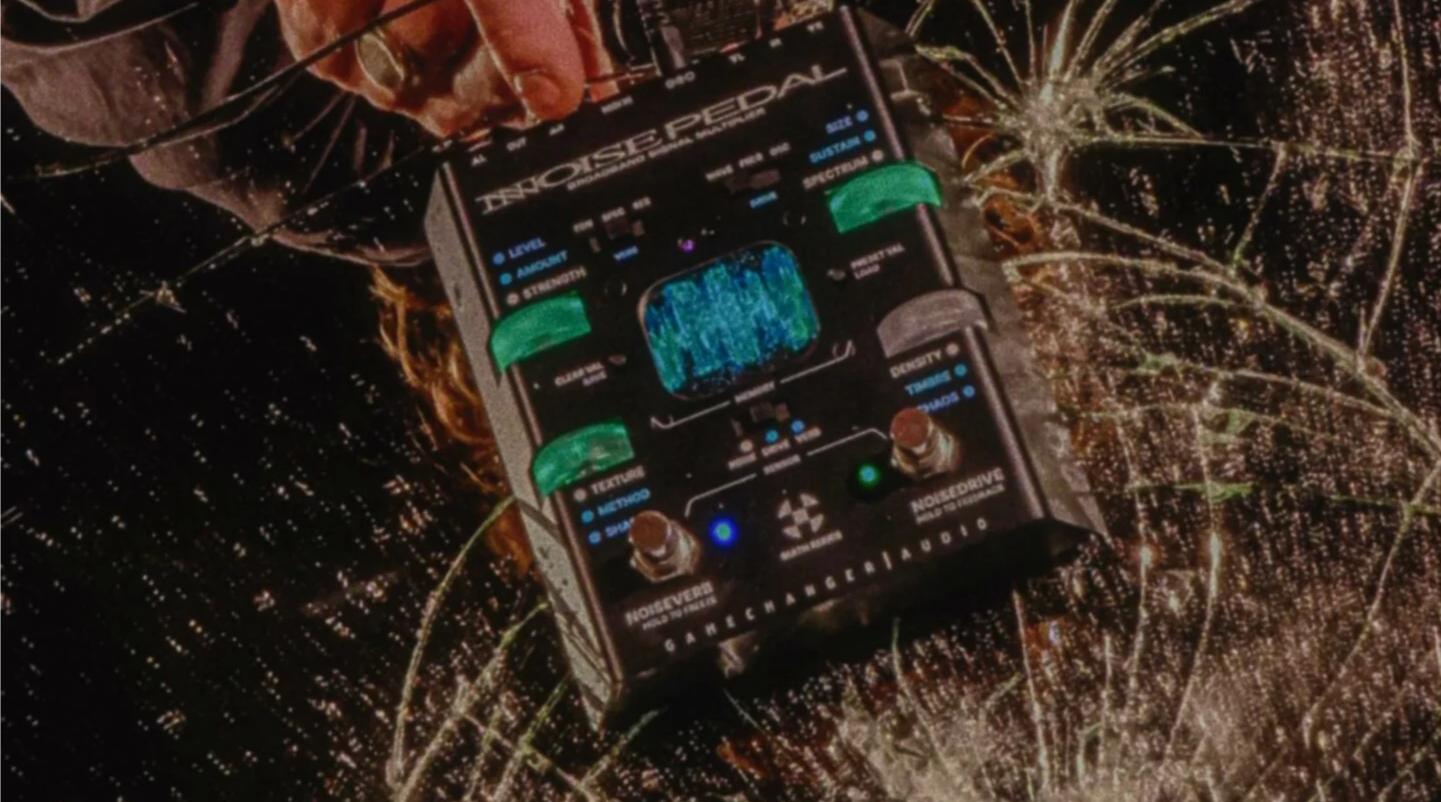
Use the CHAOS, STRENGTH & SPECTRUM knobs to shape the texture before it reaches NOISEDRIVE and NOISEVERB.
This relationship is central to the pedal: changing the noise source changes the behaviour and character of the effects built from it.
NOISEDRIVE cross-pollinates your instrument’s signal with the selected noise source, transferring its various textures onto your instrument’s sound.
Three processing styles explore this interaction:
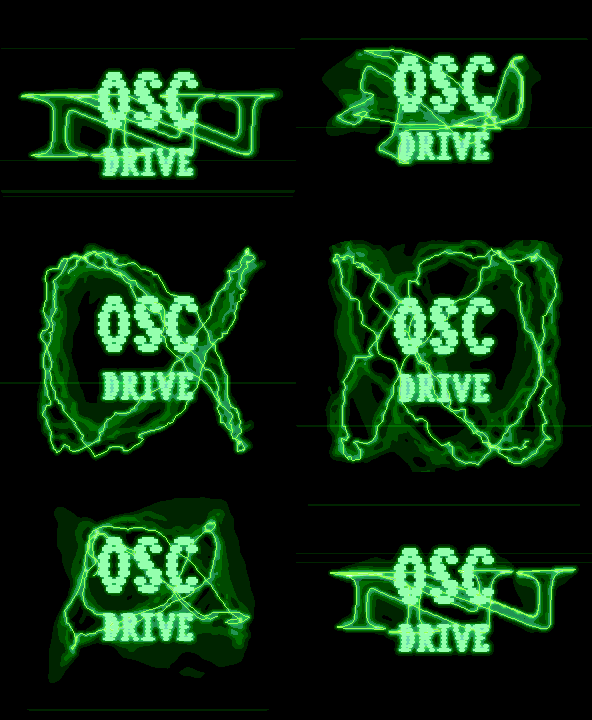
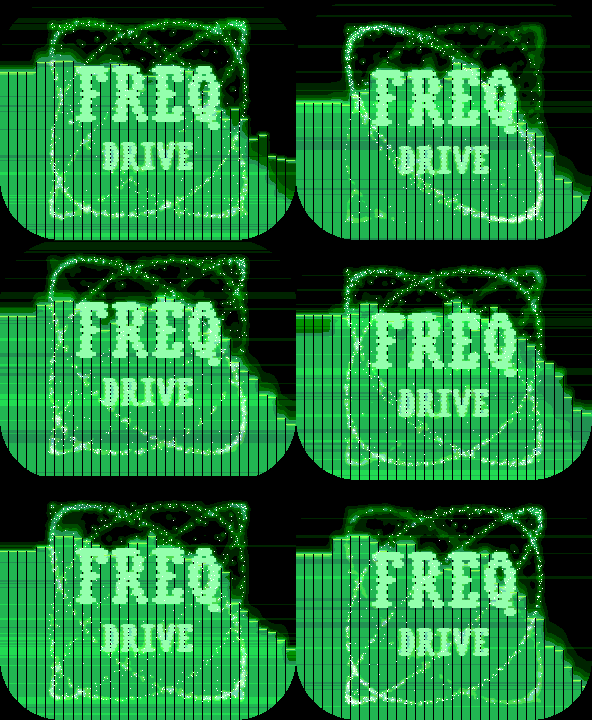

Turns the noise engine into a pitch-tracking oscillator that follows your playing, using LFSR, NOISE OSCILLATORS and more.
Breaks your signal and the noise source into their frequency content, then recombines them through FFT, SPECTRAL MODULATION, VOCODING, FORMANT SHIFTING and TIMBRAL SHAPING.
Multiplies your signal with the noise source in the time domain, using AM, RINGMOD, WAVEFOLDING, WAVESHAPING and more to reshape the waveform directly.
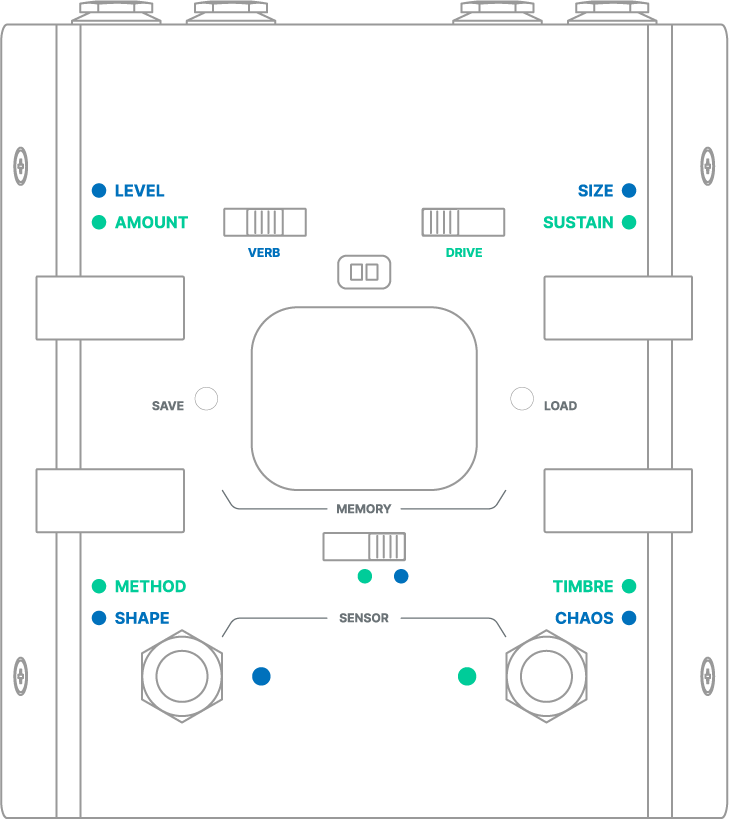
The green DRIVE PAGE provides four controls:
Select between the 20 multiplication methods within each style – giving you 60 methods for exploring the relationship between your instrument and noise.
The positive range adds the drive to your instrument’s signal. The negative range replaces your signal with noise.
The positive range produces long, exaggerated sustain. The negative range creates a fast, sharply articulated response—particularly effective for drums and percussive bursts.
Shape the brightness or darkness of the ouput

NOISEDRIVE has its own footswitch.
Press & hold to engage FEEDBACK – producing a wild and unpredictable wall of noise.
NOISEVERB uses the same shaped noise source to construct textured reverberation. Its independent blue VERB PAGE offers three processing types:
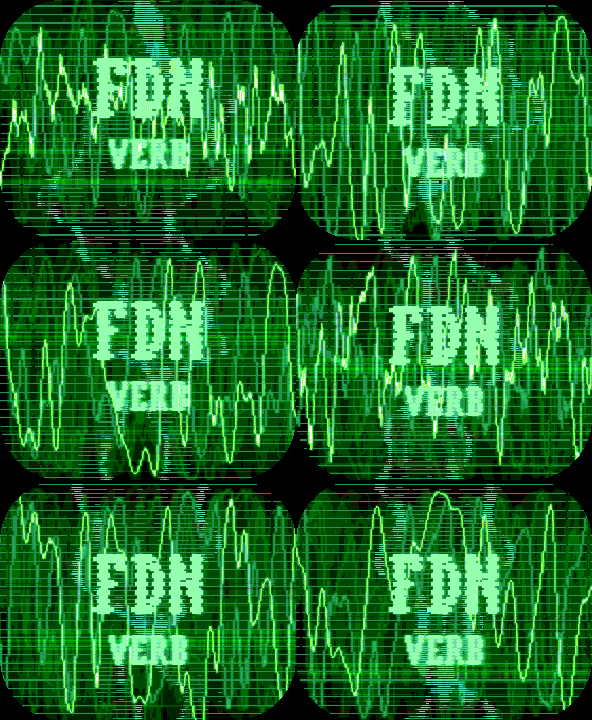
Feedback Delay Network: Combines your input signal with the noise source and distributes the result over time.
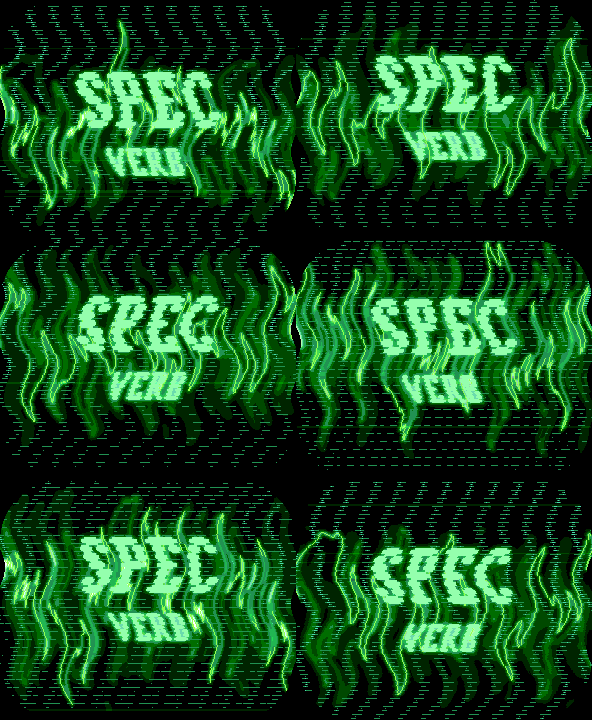
Shapes the noise source with your instrument’s spectrum, then feeds it into the reverb engine. The resulting reverberation is generated entirely from noise.
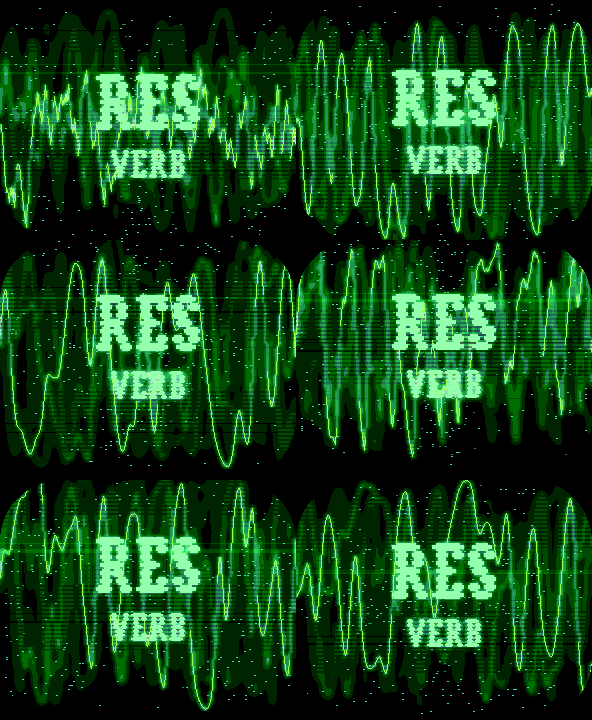
Produces swams of resonances from peaks in your instrument’s signal and the noise engine’s output, creating a phasey, resonant character.
Four controls for how the reverberation develops:
The positive range sends your dry instrument signal into the reverb. The negative range sends the post-DRIVE signal instead.
This routing remains active even when NOISEDRIVE’s footswitch is off, so any changes on the DRIVE PAGE affect the reverb’s character.
Ranges from short reverbs to endless, ethereal spaces. The negative range uses a different diffusion method, essentially providing an alternative version of each of the three reverb engines—six in total.
Applies DUCKING or PRE-DELAY. DUCKING reduces the reverb’s presence as new notes arrive, preserving articulation. PRE-DELAY introduces a fixed time offset between the initial sound and the reverb, creating rhythmic separation.
Shapes the reverb from thin, sparse
textures to thick, saturated tones.

The noise engine itself acts as the underlying foundation of the reverb’s sound. Therefore – any changes made in the NOISE TEXTURE, CHAOS, or SPECTRUM – will feed into the reverberation process, giving you a virtually endless range of imaginary spaces to explore.

NOISEVERB has its own footswitch.
Press and hold to engage FREEZE, capturing and sustaining the reverb texture.

With no instrument connected,
NOISE PEDAL also operates as a standalone noise generator.
With no instrument connected,
This allows you to explore the engines directly by engaging the pedal without any input plugged in shape their output & play the NOISE Engine as an instrument in its own right.
Using a 3.5 mm MIDI connector lets you play the NOISE modes as a parapronic noise synth engine.

The built-in IR optical proximity sensor turns physical movement into parameter control.
Assign any number of knobs across all pages, with each parameter moving in either direction. A single gesture can reshape the noise source, alter the multiplication process and change the reverb simultaneously.
Use it for subtle, spontaneous modulation or make it central to the performance. Create abrupt noise glitches, sweep through resonant textures or transform an entire effect combination with your hand or foot.

Press both footswitches to
enable or disable the sensor.
SPECIAL TIME-LIMITED PREORDER
PRICE 249$/EUR
UNTIL 15th NOVEMBER, EACH UNIT IS SIGNED AND NUMBERED BY THE MATH SERIES TEAM.
PRE-ORDERS OPEN UNTIL NOVEMBER 23rd
SHIPPING EXPECTED JANUARY 2027.
True Stereo
White noise + 30 custom noise engines
CHAOS, STRENGTH, SPECTRUM
WAVE (time-domain), FREQ (frequency-domain), OSC (pitch-tracking oscillator)
60 total (20 per family)
AMOUNT, SUSTAIN, TIMBRE, METHOD (bipolar encoders)
FDN, BAND, RES
6 total (2 diffusion modes per type)
LEVEL, SIZE, SHAPE (ducking / pre-delay), DENSITY
2: NOISEDRIVE (hold for FEEDBACK), NOISEVERB (hold for FREEZE)
Infrared proximity sensor, assignable to any knob combination across all three pages; press both footswitches to toggle
129
3.5 mm TRS and USB-C Over for Firmware Updates & PC/CC Control
TIME-LIMITED PREORDER
249$/EUR
UNTIL 15th NOVEMBER, EACH UNIT SIGNED AND NUMBERED BY THE MATH SERIES TEAM
PRE-ORDERS OPEN UNTIL NOVEMBER 23RD.
SHIPPING EXPECTED JANUARY 2027
WATCH THE LAUNCH VIDEO
Start with WHITE NOISE, then explore 30 additional NOISE ENGINES – designed to produce a wide variety of broadband signals – from digital glitches, electrical sounds – all the way to organic textures such as wind, thunder and fire.
Each engine provides a different foundation for all further signal processing.
Use the CHAOS, STRENGTH & SPECTRUM knobs to shape the texture before it reaches NOISEDRIVE and NOISEVERB.
This relationship is central to the pedal: changing the noise source changes the behaviour and character of the effects built from it.
NOISEDRIVE cross-pollinates your instrument’s signal with the selected noise source, transferring its various textures onto your instrument’s sound.
Three processing styles explore this interaction:
Turns the noise engine into a pitch-tracking oscillator that follows your playing, using LFSR, NOISE OSCILLATORS and more.
Breaks your signal and the noise source into their frequency content, then recombines them through FFT, SPECTRAL MODULATION, VOCODING, FORMANT SHIFTING and TIMBRAL SHAPING.
Multiplies your signal with the noise source in the time domain, using AM, RINGMOD, WAVEFOLDING, WAVESHAPING and more to reshape the waveform directly.
The green DRIVE PAGE provides four controls:
Select between the 20 multiplication methods within each style – giving you 60 methods for exploring the relationship between your instrument and noise.
The positive range adds the drive to your instrument’s signal. The negative range replaces your signal with noise.
The positive range produces long, exaggerated sustain. The negative range creates a fast, sharply articulated response—particularly effective for drums and percussive bursts.
Shape the brightness or darkness of the ouput
NOISEDRIVE has its own footswitch.
Press & hold to engage FEEDBACK – producing a wild and unpredictable wall of noise.
NOISEVERB uses the same shaped noise source to construct textured reverberation. Its independent blue VERB PAGE offers three processing types:
Feedback Delay Network: Combines your input signal with the noise source and distributes the result over time.
Shapes the noise source with your instrument’s spectrum, then feeds it into the reverb engine. The resulting reverberation is generated entirely from noise.
Produces swams of resonances from peaks in your instrument’s signal and the noise engine’s output, creating a phasey, resonant character.
Four controls for how the reverberation develops:
The positive range sends your dry instrument signal into the reverb. The negative range sends the post-DRIVE signal instead.
This routing remains active even when NOISEDRIVE’s footswitch is off, so any changes on the DRIVE PAGE affect the reverb’s character.
Ranges from short reverbs to endless, ethereal spaces. The negative range uses a different diffusion method, essentially providing an alternative version of each of the three reverb engines—six in total.
Applies DUCKING or PRE-DELAY. DUCKING reduces the reverb’s presence as new notes arrive, preserving articulation. PRE-DELAY introduces a fixed time offset between the initial sound and the reverb, creating rhythmic separation.
Shapes the reverb from thin, sparse
textures to thick, saturated tones.
The noise engine itself acts as the underlying foundation of the reverb’s sound. Therefore – any changes made in the NOISE TEXTURE, CHAOS, or SPECTRUM – will feed into the reverberation process, giving you a virtually endless range of imaginary spaces to explore.
NOISEVERB has its own footswitch.
Press and hold to engage FREEZE, capturing and sustaining the reverb texture.
With no instrument connected,
NOISE PEDAL also operates as a standalone noise generator.
This allows you to explore the engines directly by engaging the pedal without any input plugged in, shape their output & play the NOISE Engine as an instrument in its own right.
Using a 3.5 mm MIDI connector lets you play the NOISE modes as a parapronic noise synth engine.
The built-in IR optical proximity sensor turns physical movement into parameter control.
Assign any number of knobs across all pages, with each parameter moving in either direction. A single gesture can reshape the noise source, alter the multiplication process and change the reverb simultaneously.
Use it for subtle, spontaneous modulation or make it central to the performance. Create abrupt noise glitches, sweep through resonant textures or transform an entire effect combination with your hand or foot.
Press both footswitches to
enable or disable the sensor.
PREORDER LIMITED-TIME OFFER: PRICE 249$/EUR
UNTIL 15th NOVEMBER, EACH UNIT IS SIGNED AND NUMBERED BY THE MATH SERIES TEAM.
PRE-ORDERS OPEN UNTIL NOVEMBER 23rd
SHIPPING EXPECTED JANUARY 2027.